When you step into a Delhi‑NCR bathroom after a monsoon shower, you expect warm water right away – no hesitation, no cold shock. That reliable experience starts with thoughtful geyser placement bathroom India, a decision that blends plumbing, electricity, space limits, and the quirks of Indian homes.
We’ll look at the two main geyser families, map out hot‑water pipe planning for tight bathrooms, decode wiring safety, and flag the seasonal challenges unique to our climate. By the end you’ll have a practical roadmap that turns a cramped bathroom into a comfortable, hot‑water haven.
Understanding Instant vs Storage Geyser for Indian Homes
Storage (tank) geysers dominate Indian markets because a modest cylinder can serve a family without a noticeable drop in temperature. They tolerate a modestly sized pipe network and cope with intermittent power supply, which is still a reality in many NCR colonies.
Instant (tank‑less) geysers heat water on demand. They shine in apartments where space is at a premium and the water demand per use is low – a single shower or a quick hand‑wash. Their main drawback in India is the need for a robust 3‑phase connection and a higher upfront cost.
Hot Water Pipe Planning in Tight Delhi NCR Bathrooms
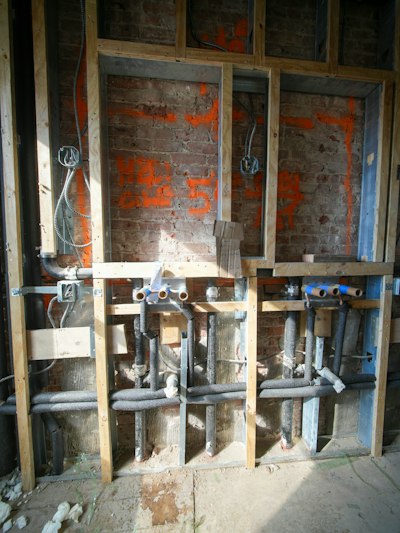
Most Indian bathrooms sit behind a toilet cubicle or a small service area, so the hot‑water pipe route must be as short as possible. Extra length wastes heat and adds pressure drop, making the shower feel weaker.
Loop vs Direct Run
A looped network, where the pipe circles back to the geyser, is common in larger homes but adds unnecessary length in a 2‑3 sqm bathroom. A direct run – pipe from the geyser outlet straight to the faucet – is usually the most efficient layout for apartments and row houses.
Insulation Matters
Even a thin layer of PU foam around the pipe retains a good chunk of heat during the monsoon season when humidity is high. In Delhi’s winters, insulated pipes keep the water from cooling before it reaches the showerhead.
Key Considerations for geyser placement bathroom India
Location is a balance of safety, convenience, and future maintenance. Here are the top factors we weigh for every project:
- Proximity to the main water inlet. The shorter the distance, the less heat loss and the lower the pump load.
- Ventilation. Geysers generate heat and occasional steam; a ventilated niche or a small grille prevents mould buildup on nearby walls.
- Access for servicing. A removable panel or a clear side space lets a plumber replace the heating element without dismantling the entire bathroom.
- RWA and society rules. Many housing societies restrict external wall penetrations, so the geyser often sits on the interior side of the bathroom wall.
- Floor load. A 15‑litre storage tank weighs around 12 kg when full. Ensure the floor slab can support it, especially on older constructions.
Electrical Planning and Safety
Every Indian bathroom is a wet zone, so the electrical circuit for a geyser must be isolated, earth‑grounded, and protected by a 30 amp MCB. The wiring conduit should run through a dedicated PVC pipe that stays away from the hot‑water pipe to avoid heat transfer.
When you’re already mapping the hot‑water layout, coordinate with your electrician to place the switch at a comfortable height (about 1.2 m from the floor) and outside the direct splash zone. A double‑pole switch adds an extra layer of safety.
“A well‑planned geyser circuit is as much about protecting the homeowner as it is about protecting the appliance.”
For a deeper dive into wiring standards, see our Electrical Planning for Interior Design: A Guide for Indian Homeowners.
Dealing with Monsoon Moisture, Dust and RWA Restrictions
Monsoon brings high humidity, and that humidity settles on metal fittings, turning them into corrosion hotspots. Choose stainless‑steel or brass flanges on the inlet and outlet, and apply silicone sealant around every joint.
Dust from construction sites in Noida and Gurugram can infiltrate exposed pipework. A simple brush‑seal around the pipe entry point, coupled with a regular cleaning schedule, keeps the system running smoothly.
Many societies require permission before any plumbing penetrates a common wall. The Society and RWA Permission for Interior Work guide outlines the documents you’ll need to secure that clearance without delays.
Installation Checklist – What to Verify Before the Contractor Starts
- Confirm the geyser type (instant or storage) matches the bathroom’s space and the household’s water usage pattern.
- Check that the designated wall can bear the weight of a full storage tank; reinforce if needed.
- Ensure the hot‑water pipe run is no longer than 3 metres; use insulated sleeves.
- Verify the electrical circuit is on a dedicated 30 amp MCB with proper earthing.
- Inspect the ventilation provision – a grille or small exhaust fan should be installed.
- Obtain all necessary RWA approvals and keep a copy of the permission on site.
- Schedule a post‑installation test: run hot water for a few minutes and check for leaks, temperature consistency, and any unusual noises.
Practical Takeaways for geyser placement bathroom India
Start with a clear sketch of your bathroom’s footprint, marking the water inlet, the most accessible wall, and any structural columns. Decide early whether an instant or storage geyser fits your budget and power supply. Keep the hot‑water pipe route straight, insulated, and short; pair it with a dedicated, well‑grounded electrical circuit.
Factor in Delhi’s monsoon humidity by choosing corrosion‑resistant fittings and ensuring ventilation. Finally, respect society guidelines to avoid costly re‑work. With these steps, your bathroom will deliver hot water reliably, whether you’re rinsing after a gym session in Delhi or winding down after a weekend in Gurgaon.
Thinking about your own space?
Our designers can walk you through exactly what this looks like for your home — let's talk.
Book a Free Consultation