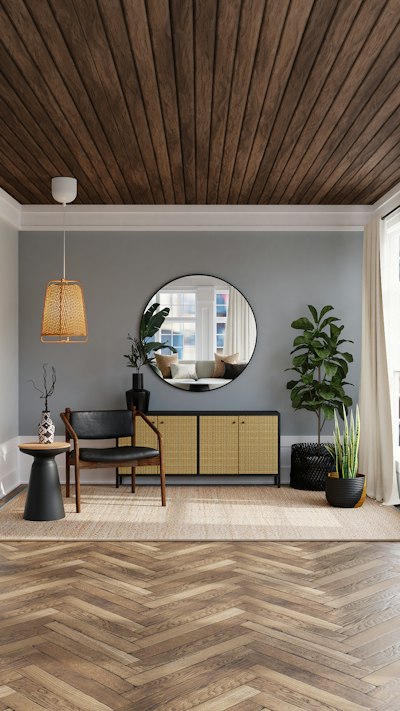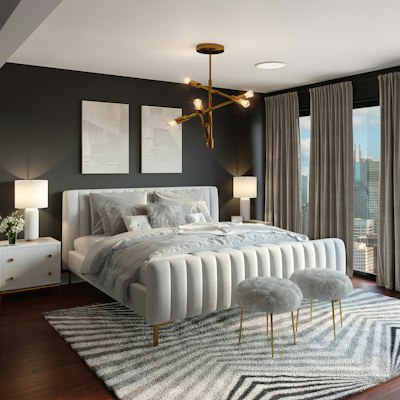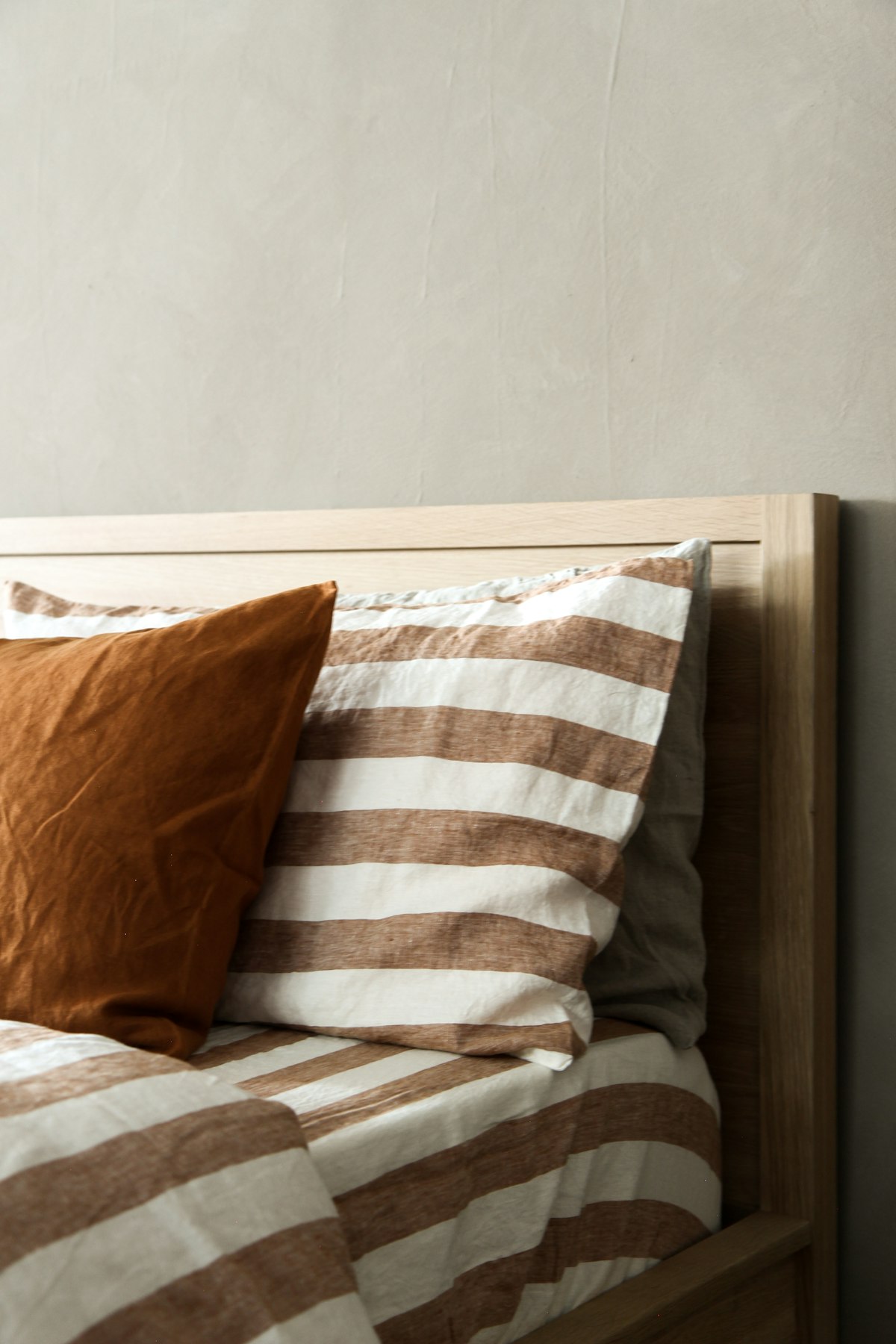
When you walk into a home where every object has a purpose, the space feels larger than its walls suggest. That quiet elegance is the promise of minimalist interior design India, a style that trims excess while amplifying comfort, especially in the bustling corridors of Delhi, Gurugram, and Noida.
This article walks you through how to translate the philosophy of “less is more” into a livable, climate‑responsive Indian home. From planning the layout to choosing finishes that age gracefully in monsoon, you’ll get practical, budget‑friendly guidance that fits a typical INR 5‑8 lakhs interior budget.
Understanding Minimalism in the Indian Context
Minimalism is often mistaken for starkness, but in an Indian home it is more about clarity of intent. The goal is to create breathing space for family rituals, evening chai, and the occasional weekend gathering without the visual clutter that can overwhelm even a well‑ventilated apartment.
In Delhi NCR, where apartments average 850‑1200 sq ft, every square foot counts. A minimalist approach respects the climate: fewer heavy drapes, more natural light, and surfaces that can be wiped clean after the monsoon dust settles. The style also honors Indian aesthetics by allowing a single piece of handcrafted art or a traditional jali screen to become the focal point, rather than competing with a gallery of décor.
Space Planning – Less Is More
Before you pick a sofa or a color, start with the floor plan. Minimalist interior design India thrives on clear circulation pathways and defined zones that double as functional spaces.
In a typical two‑bedroom flat, the living‑dining area often serves multiple purposes: work‑from‑home desk, family movie night, and occasional yoga session. By anchoring the room with a low‑profile sectional and a compact, extendable dining table, you create a flexible layout that can be rearranged without heavy lifting.
Defining Zones Without Walls
Use rugs, lighting, or subtle changes in floor finish to demarcate zones. A woven jute rug under the coffee table signals the living area, while a sleek marble runner can guide the eye toward the dining nook. This visual cue replaces the need for bulky partitions, keeping the floor plan open yet organized.
- Clear out items that don’t serve a daily purpose – a rule of thumb is the “one‑in, one‑out” policy.
- Keep only one or two statement pieces per room; let them breathe.
- Choose furniture with built‑in storage to hide everyday clutter.
Material & Finish Choices for a Minimalist Home India
Materials define the tactile experience of a minimalist interior. In the Indian climate, durability and low maintenance are as important as aesthetics. Opt for finishes that resist humidity, heat, and the occasional monsoon spill.
Natural wood, especially teak or mango, ages beautifully and can be sealed to repel moisture. Pair it with light‑toned engineered marble for countertops – the cool surface is perfect for summer evenings and doesn’t show water marks easily. For flooring, polished concrete or large‑format porcelain tiles create a seamless look while standing up to heavy foot traffic.
When you need a pop of colour, introduce it through textiles. A pair of hand‑loomed cushion covers in muted indigo or terracotta adds depth without overwhelming the palette.
Light, Color & Texture – The Subtle Palette
Natural light is the most valuable commodity in a minimalist interior design India project. Maximise it with sheer curtains, clerestory windows, or strategically placed false ceilings that reflect light downward. A well‑designed false ceiling can also hide ductwork and create a sense of height – an insight we explored in our guide on false ceiling design for Indian homes.
Colour choices should be restrained: soft whites, warm greys, and earthy beiges form the base. These hues amplify daylight and create a calm backdrop for the occasional bold accent.
“In a minimalist home, light becomes the most expressive material – it paints the walls, reveals textures, and defines the mood without a single ornament.”
Texture, however, prevents the space from feeling sterile. A matte plaster wall juxtaposed with a glossy kitchen backsplash adds visual interest while staying true to the minimal ethos.
Practical Minimalist Solutions for Indian Lifestyle
Living in Delhi NCR means dealing with monsoon rains, dusty winters, and the occasional power cut. A minimalist design must anticipate these realities.
Storage is your ally. Choose low‑profile cabinets with soft‑close hinges to keep dishes safe during a sudden downpour. Incorporate a hidden laundry chute or a pull‑out drying rack that can be tucked away when not in use. For dust control, opt for washable wall panels instead of intricate wood carvings that collect grime.
Kitchen islands are popular, but in a minimalist kitchen they should serve dual functions – prep space, informal dining, and concealed storage. A sleek stainless‑steel finish resists rust, making it ideal for the humid months.
Case Study: A Delhi NCR Minimalist Apartment
Our recent project in a Gurgaon high‑rise illustrates how the principles above translate into a lived‑in space. The 950 sq ft two‑bedroom unit featured an open‑plan living, dining, and kitchen area, a concept detailed in our open plan living design guide for Indian apartments. We began by stripping the apartment to its structural essentials, removing a redundant wall to merge the living and dining zones.
We installed a floating timber shelf that doubles as a TV console and book display, leaving the floor uncluttered. The bedroom kept a platform bed with under‑bed drawers, and the wardrobe was fitted with sliding doors to save space. The colour palette stayed within a 20‑degree temperature range of warm white, allowing the natural light to shift the ambience from sunrise to sunset.
For the dining area, a compact extendable table in reclaimed teak catered to family meals and weekend brunches. The table’s hidden leaf mechanism aligns with the “simple interior design ideas India” ethos – functionality without visual noise.
Bringing It All Home – Your Next Steps with Minimalist Interior Design India
Adopting a minimalist mindset is as much about habit as it is about aesthetics. Start by auditing each room: ask yourself if an item solves a problem or simply fills space. Replace heavy drapes with translucent panels, and choose furniture that offers hidden storage.
When you’re ready to move beyond the basics, consider consulting a professional who understands the nuances of Indian architecture and climate. A seasoned designer can guide you through cost‑effective material selections, optimise the flow for your family’s routines, and ensure that every piece you add serves a purpose.
Remember, minimalism is not about deprivation; it’s about curating a home where every element feels intentional, where the monsoon’s rhythm can be heard without the distraction of clutter, and where you can truly relax after a long day in the capital’s bustle.
Thinking about your own space?
Our designers can walk you through exactly what this looks like for your home — let's talk.
Book a Free Consultation