When we talk about biophilic design India, we’re not just borrowing a buzzword – we’re reshaping the way Delhi NCR homes breathe, look, and feel. In the next few minutes you’ll discover how to weave outdoor serenity into cramped apartments, airy villas and even modest row houses, using strategies that respect the monsoon, the dust and the ever‑busy Indian lifestyle.
From selecting the right indoor foliage to choosing textures that echo the Himalayas or the Thar, this guide walks you through the practical steps, material choices and cultural nuances that make nature‑inspired interior design India both a wellness booster and a timeless aesthetic.
Understanding Biophilic Design India
Biophilic design is the art of embedding natural patterns, forms and processes into the built environment. In the Indian context, it goes beyond a decorative potted plant; it is about creating a dialogue between the home’s interior and the external ecosystem that surrounds it – be it the Ganges‑fed wetlands of Gurgaon or the smoky evenings of Old Delhi.
Research from Indian institutes shows that occupants of spaces infused with natural light, greenery and organic textures report lower stress levels and better sleep. The principle is simple: our brains are hard‑wired to seek out nature, and when we satisfy that instinct indoors, the benefits cascade into productivity, health, and even property value.
Why Indian Homes Need a Touch of the Outdoors
Delhi’s scorching summers, sudden monsoon downpours, and winter fog create a climate that makes stepping outside a chore at times. A well‑planned biophilic interior becomes a sanctuary where you can experience the seasons without battling traffic or dust.
Moreover, Indian families often live in multigenerational spaces where communal areas double as work‑from‑home zones. Introducing natural elements helps delineate zones subtly, offering visual privacy without erecting physical barriers. For inspiration on extending that connection to balconies, explore garden‑facing balcony ideas that turn a simple ledge into a mini‑forest.
Three Pillars of a Biophilic Home
Light – The Living Canvas
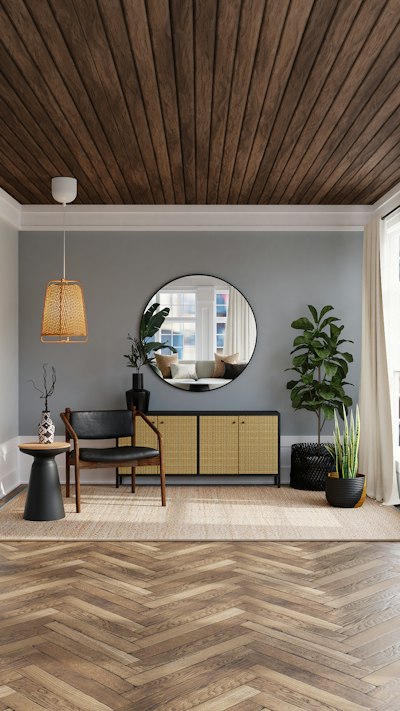
Natural daylight is the most potent biophilic element. In Delhi NCR, orient your main living area towards the east to capture the gentle morning glow, which reduces the need for artificial lighting. Use sheer linen curtains to diffuse harsh noon sun while preserving the view of the sky. In rooms without direct windows, install skylights or light tubes that channel rooftop light downwards.
Material – Touching Nature’s Texture
Replacing glossy laminates with raw, tactile finishes brings a sense of groundedness. Think reclaimed teak flooring, hand‑woven jute rugs, and stone countertops that echo the rocky terrain of the Aravalli range. These materials not only age beautifully but also regulate indoor humidity – a subtle advantage during Delhi’s monsoon months.
View – Framing the Landscape
Even a modest view of a tree‑lined street or a rooftop garden can trigger the same neurological response as a forest canopy. Position seating around a focal point – a wall of climbing vines, a water feature, or a vertical garden. The key is to make the outside visible, not hidden behind heavy drapes or bulky furniture.
Indoor Plants Home Design India: Choosing the Right Greenery
Plants are the most direct way to introduce biophilic benefits. However, Indian homes face challenges like fluctuating humidity, limited sunlight and occasional water‑logging. Opt for species that thrive in such conditions and require minimal maintenance.
- Snake Plant (Sansevieria) – tolerates low light, filters indoor pollutants, and needs watering only when the soil is completely dry.
- Money Plant (Epipremnum aureum) – loves indirect light, cascades beautifully from shelves or hanging pots, and adapts to the humid monsoon air.
- Areca Palm – adds a tropical vibe, thrives in bright filtered light, and acts as a natural humidifier during dry winters.
- ZZ Plant (Zamioculcas zamiifolia) – perfect for corners with minimal sunlight, requires watering once a month.
- Spider Plant (Chlorophytum comosum) – resilient, purifies air, and produces off‑shoots that can be replanted.
Place taller plants near entryways to create a welcoming green curtain, and use smaller pots on coffee tables for an intimate, desk‑friendly oasis. Remember to rotate pots every few weeks so each side receives equal light, a habit that mirrors how plants grow outdoors.
“A single well‑placed fern can turn a cramped hallway into a breath of fresh air – it’s the smallest gesture that often makes the biggest impact.”
Nature‑Inspired Material Palette for Indian Interiors
When we speak of nature‑inspired interior design India, the focus shifts from mere décor to a cohesive material story. Start with the floor: reclaimed teak or bamboo flooring not only looks warm but also endures the dust‑laden winters of Delhi. For walls, consider lime plaster with natural pigments – it breathes, regulates humidity, and develops a subtle patina over time.
Furniture should echo organic forms. A teak coffee table with a live‑edge finish mimics river stones, while a jute-woven sofa cover adds texture reminiscent of rural fields. Even hardware can be nature‑derived; choose brass or copper handles that develop a verdigris patina, reminding occupants of monsoon‑kissed metal roofs.
Practical Checklist for Delhi NCR Homes
Implementing biophilic design is a series of small, deliberate choices. Use the checklist below to ensure you cover each aspect without feeling overwhelmed:
- Assess Sunlight. Map the sun’s path across rooms during different seasons; note where natural light peaks.
- Choose Sustainable Materials. Prioritise locally sourced wood, stone, and natural fibres to reduce carbon footprint.
- Plan Plant Zones. Identify spots with adequate light, drainage, and airflow; group plants by watering needs.
- Incorporate Water Elements. A shallow tabletop fountain or a wall-mounted pebble basin adds auditory calm.
- Integrate Views. Keep window sills clear, use low‑profile furniture to maintain sightlines, and consider a balcony garden that feeds into interior greenery.
- Mind Maintenance. Choose low‑maintenance plants, set a watering schedule, and use self‑watering pots where power outages are common.
- Declutter Thoughtfully. Apply principles from minimalist interior design for Indian homes – keep surfaces clear to let natural elements shine.
Each step aligns with the rhythm of Indian living: the morning rush, the afternoon tea, the evening monsoon lull. By integrating the checklist into your renovation timeline, you create a home that feels alive year after year.
Putting Biophilic Design India into Everyday Living
The final piece of the puzzle is habit. A biophilic space only delivers its full promise when residents interact with it daily. Keep a watering routine as part of your morning chai ritual, open curtains to invite sunrise, and rotate decorative objects to showcase changing shadows. Small gestures like reading a book near a climbing vine or meditating beside a water feature embed nature into the rhythm of family life.
When you approach each renovation with the mindset that the home is an extension of the external world, you’ll notice how even a modest balcony can feel like a private garden, and how a living room can echo the calm of a forest glade. This is the essence of biophilic design India – a quiet confidence that the outdoors belongs inside, no matter the size of your floor plan.
Thinking about your own space?
Our designers can walk you through exactly what this looks like for your home — let's talk.
Book a Free Consultation