Vastu Shastra is one of the most misunderstood elements of Indian interior design. At one end are clients who dismiss it entirely as superstition. At the other are those who let rigid Vastu rules override every practical and aesthetic consideration. The reality, as with most things in design, lies somewhere in between — and the best Vastu tips for home interiors are the ones that work because they are also good design principles.
At Re:Room, we approach Vastu pragmatically. We respect the tradition and understand that it matters deeply to many of our clients. But we also know that a thoughtfully designed home — one with good natural light, logical room placement, uncluttered spaces, and a sense of balance — satisfies both Vastu and modern living needs simultaneously. This guide brings those principles together in a practical, room-by-room format that works for urban apartments and independent homes alike.
Understanding Vastu: The Core Logic
Vastu Shastra is an ancient Indian system of architecture that governs the placement, orientation, and layout of spaces to align with the five natural elements: earth (prithvi), water (jal), fire (agni), air (vayu), and space (akasha). The compass directions play a central role — each direction is associated with specific energies and, accordingly, specific rooms or functions.
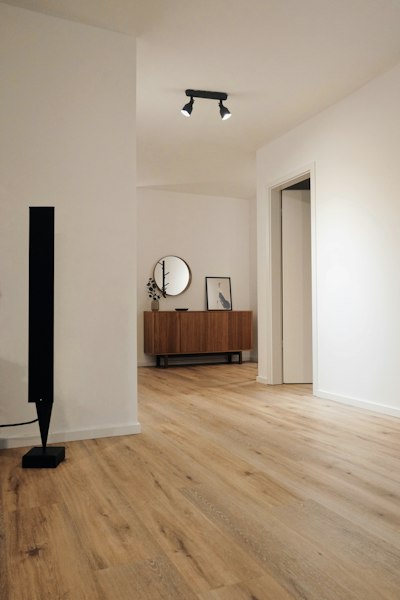
The Brahmasthan, or central zone of the home, is considered the most sacred. Vastu recommends keeping this area open and free of heavy columns or walls wherever structurally possible. In modern apartments, this translates into keeping the central area of your floor plan as a circulation zone rather than filling it with bulky furniture.
Good Vastu and good design share a common goal: a home that supports the people living in it, rather than working against them.
It is worth noting that most urban apartments in Delhi NCR — whether in Noida, Gurugram, or South Delhi — are built on fixed structural grids that make perfect Vastu alignment impossible. In these cases, the goal is not textbook compliance but thoughtful mitigation: using colour, light, furniture placement, and decor to reinforce positive energies where the architecture allows.
The Entrance: Your Home's First Impression on Energy
In Vastu, the main entrance (also called the Dwarshastra) is one of the most important elements. The north, northeast, and east-facing entrances are considered the most auspicious because they receive the early morning sun, which is gentle and energising. South and southwest-facing entrances are considered less favourable, though they can be balanced through specific remedies.
Design tips for a Vastu-friendly entrance
- Keep the entrance well-lit at all times — a bright entry signals positivity and feels welcoming to guests. Add a sensor-activated light inside if your main door opens into a dark foyer.
- Place a nameplate or door number prominently. In Vastu, this helps direct positive energy into your specific home rather than dispersing it across the building.
- Avoid mirrors directly facing the main door. They are believed to reflect incoming positive energy back out. A mirror on the side wall of the entrance is perfectly fine.
- Keep the entrance clutter-free. Shoes, bags, and random items piled near the main door create stagnant energy — and also just look messy. A dedicated shoe storage unit or a mudroom cabinet solves this instantly.
- A threshold or small step at the entrance (even a subtle change in flooring material) demarcates the boundary between public and private space, which both Vastu and design aesthetics recommend.
Living Room Vastu: Orientation and Furniture Placement
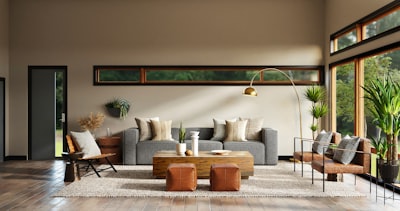
The living room is where family and guests gather, making its energy particularly important in Vastu. North or east-facing living rooms are preferred because they receive more natural daylight — a benefit that is tangible regardless of your views on Vastu. The living room should ideally be on the northeast portion of the home.
For furniture placement, the sofa should be positioned so that the primary seating faces east or north — meaning the back of the sofa is to the west or south. This ensures that the people seated are facing the more energetically favourable directions. Heavy furniture like large sofas and TV units should be placed on the south or west walls, keeping the north and east sides lighter and more open.
If you are working with a small living room, these principles align well with smart space planning: keeping the northern and eastern sides open allows natural light in and makes the room feel larger. The TV unit on the south wall, the sofa facing north — this is both good Vastu and good design.
Colours for the living room
Vastu recommends light, warm colours for the living room: whites, creams, yellows, and light greens. These colours reflect more light, which makes the room feel expansive, and they create a welcoming atmosphere for guests. Avoid dark, heavy colours on all four walls, though a single accent wall in a deeper tone is generally considered acceptable.
Bedroom Vastu: Sleep Direction and Room Placement
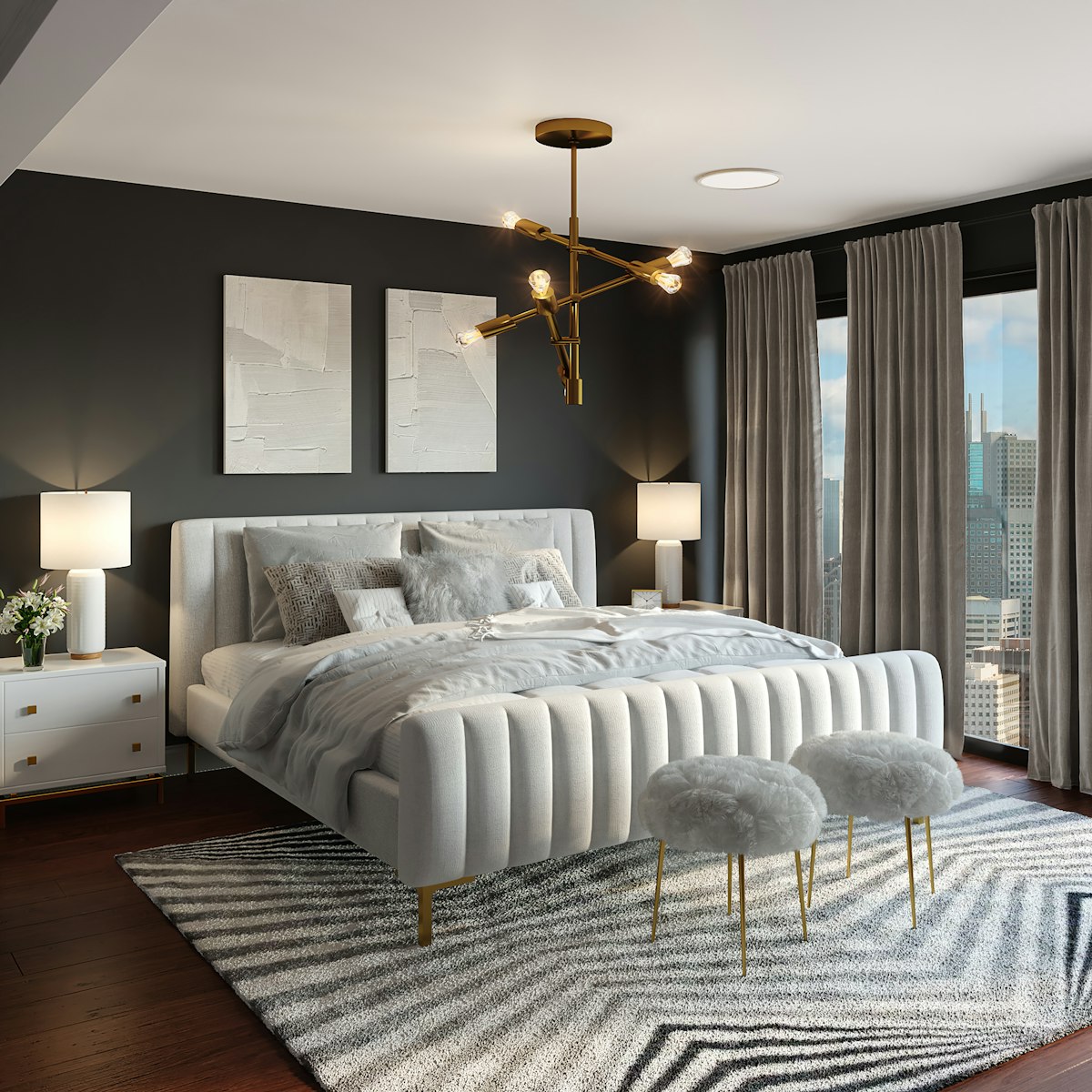
The master bedroom is best placed in the southwest corner of the home. This is considered the zone of stability and is associated with the earth element. Sleeping in the southwest bedroom is thought to promote restful sleep and a sense of groundedness — which, from a practical standpoint, also means it tends to receive less direct early morning light, helping you sleep in if needed.
The most important Vastu guideline for the bedroom is sleep direction. Sleeping with the head pointing south or east is recommended. Sleeping with the head pointing north is specifically advised against, as the earth's magnetic field runs from south to north and a north-facing head is believed to create disrupted sleep patterns. Many people report better sleep after shifting their bed position — whether or not they attribute it to Vastu.
Bedroom furniture and decor
- Place the bed on the south or west wall, leaving space on the other sides for circulation. The bed should not be directly under a beam — this is both a Vastu concern and a design consideration, as beams above sleeping areas can feel oppressive.
- Mirrors in the bedroom should not reflect the bed. Vastu advises against this, and from a sleep hygiene perspective, mirrors that catch light or movement can be subtly disruptive.
- Keep electronics minimal in the bedroom. Vastu recommends keeping the bedroom free of televisions and computers — advice that aligns well with modern research on screen time and sleep quality.
- Children's bedrooms work well in the northwest or west portions of the home.
Kitchen Vastu: Fire, Direction, and Safety
The kitchen is governed by the fire element in Vastu. The southeast corner of the home is considered ideal for the kitchen, as southeast is the direction of Agni (fire). The cook should face east while cooking — which means the cooking platform runs along the east wall of the kitchen.
In practical terms, this translates to a modular kitchen layout where the hob and primary cooking zone are on the eastern counter, with preparation surfaces on adjacent walls. When you are planning a home renovation and have any flexibility in your kitchen placement, the southeast kitchen with an east-facing cooking position is the arrangement to aim for.
Kitchen colours and storage
- Orange, red, and yellow tones are considered auspicious for kitchens — they align with the fire element and also tend to create a warm, energetic atmosphere that suits cooking spaces well.
- Keep the kitchen clean and clutter-free. Clutter in the kitchen, especially near the cooking area, is considered inauspicious in Vastu. A well-designed modular kitchen with sufficient storage achieves this naturally.
- Water and fire should not be adjacent. The sink (water) should not be placed directly next to the hob (fire). A chopping counter or preparation area between them is the preferred layout — and also practical from a safety and workflow standpoint.
Bathroom and Toilet Placement
Bathrooms and toilets are ideally placed in the northwest or west portions of the home. The north, northeast, and east are considered inauspicious for bathrooms because these are the zones associated with positive energy flow. In most modern apartments, however, you have little control over bathroom placement — in these cases, Vastu recommends keeping bathroom doors closed at all times and ensuring the bathroom is well-ventilated and free of damp, musty energy.
Practically speaking, an exhaust fan, good waterproofing, and regular cleaning accomplish more than any symbolic remedy. A well-maintained bathroom, regardless of its location, supports the overall energy of the home.
Colours, Light, and Plants: The Easy Vastu Wins
Even when structural constraints prevent ideal room placement, there are several Vastu adjustments that any homeowner can make through interior design choices alone.
Colour by direction
Vastu assigns colours to directions in a way that mostly aligns with how those directions interact with sunlight throughout the day. North and northeast rooms benefit from cool, light colours (blues, greens, whites) because they receive diffused light. South and southwest rooms, which can receive harsh afternoon sun, are better served by warmer, muted tones (creams, earthy yellows, soft terracotta).
Natural light and ventilation
Maximising natural light is both a core Vastu principle and a fundamental good-design practice. Keep windows clear of obstructions. Use sheer curtains rather than blackout drapes in rooms where morning light is welcome. Light and air movement are considered the primary carriers of positive energy in Vastu — and they also happen to make any space feel more alive.
Plants as energy enhancers
Vastu recommends specific plants for specific zones. Tulsi (holy basil) near the northeast or north entrance is considered highly auspicious. Money plants (Epipremnum aureum) are recommended for the north or east, where they are believed to attract positive energy and prosperity. Avoid thorny plants like cacti inside the home, and keep plants healthy — dead or dying plants are considered negative in Vastu, and logically, they also look uninviting.
Vastu for the Study or Home Office
With more people working from home in Delhi NCR, the study room has become a critical space. Vastu recommends placing the study or home office in the northeast or north part of the home, as these zones are associated with knowledge and clarity of thought. The person working should face east or north while at their desk.
Keep the study clutter-free and well-lit. Bookshelves on the south or west walls are preferred. A window to the east or north that brings in natural daylight without glare is ideal for a productive workspace. If you are choosing an interior designer in Delhi for your home project, make sure they understand how your work-from-home needs integrate with the rest of your living design.
Vastu Tips for Home Interiors: A Quick-Reference Summary
For homeowners who want the essentials without the detail, here is a condensed checklist of Vastu tips for home interiors that can be applied in any modern Indian home:
- Main entrance: north, northeast, or east-facing preferred; keep well-lit and clutter-free.
- Living room: sofa on south or west wall, facing north or east; light colours; unobstructed northeast corner.
- Master bedroom: southwest zone of home; head pointing south while sleeping; no mirror facing the bed.
- Kitchen: southeast corner; cook facing east; sink not adjacent to hob.
- Study: northeast or north; desk facing east or north; bookshelves on south or west.
- Bathrooms: northwest or west; keep doors closed and spaces well-ventilated.
- Central zone (Brahmasthan): keep open and uncluttered — no heavy furniture or structural elements if avoidable.
- Plants: tulsi near entrance; money plant in north or east; no cacti inside.
- Colours: light and warm tones throughout; match colour to direction's natural light quality.
Vastu is not a checklist to follow blindly — it is a framework for thinking about how your home supports the people who live in it. Used wisely, it complements good design rather than constraining it.
The homes we design at Re:Room that satisfy both Vastu and modern aesthetics share one characteristic: they are planned thoughtfully from the beginning, with direction, light, and purpose considered at every step. Whether you are planning a full renovation or simply rearranging your current space, these Vastu tips for home interiors give you a principled framework for decisions that might otherwise feel arbitrary. A home that feels harmonious usually is — and the principles behind that harmony, Vastu or otherwise, are worth understanding.
Want a Vastu-considered home design?
Our designers work with Vastu principles alongside modern aesthetics to create homes that feel balanced, beautiful, and right. Let us help you plan yours.
Book a Free ConsultationFrequently asked questions.
Which direction should the main entrance of an Indian home face according to Vastu?
North, northeast, or east-facing entrances are considered most auspicious because they receive gentle early morning sun. South and southwest-facing entrances are considered less favourable, though they can be balanced through remedies like keeping the entrance well-lit and clutter-free.
Which direction should I sleep in according to Vastu?
Sleep with your head pointing south or east — this is the most important Vastu guideline for the bedroom. Sleeping with the head pointing north is specifically advised against, as it's believed to disrupt sleep patterns, and many people report better sleep simply from shifting their bed position.
Where should the kitchen be placed in a Vastu-compliant home?
The southeast corner of the home is considered ideal, since southeast is the direction of Agni (fire). The cook should face east while cooking, meaning the hob and primary cooking zone should be on the eastern counter, with the sink kept away from being directly adjacent to the hob.
Can Vastu and modern interior design work together in a Delhi NCR apartment?
Yes — most urban apartments in Noida, Gurugram, or South Delhi are built on fixed structural grids that make perfect Vastu alignment impossible, so the realistic goal is thoughtful mitigation rather than textbook compliance. Using colour, natural light, and furniture placement to reinforce positive energies where the architecture allows achieves both good Vastu and good design simultaneously.