When you begin planning a home renovation or new fit-out in India, flooring is one of the earliest and most consequential decisions you will make. It covers every square foot of your home, sets the visual tone for every room, and once it is installed — especially in the case of stone and tile — reversing the decision is costly and disruptive. Despite this, most homeowners in Delhi NCR spend less time on the flooring decision than they do on choosing a sofa.
The market for flooring options for Indian homes has expanded dramatically over the past decade. Where earlier generations chose between marble and mosaic, today's homeowner must evaluate marble, granite, vitrified tiles, natural stone, engineered wood, laminate, and luxury vinyl tile (LVT) — each with distinct strengths, weaknesses, and price points. This guide walks through each category honestly, with practical guidance for choosing the right flooring option room by room in the context of India's climate, lifestyle, and budget realities.
The floor is the one surface every person in your home touches every day. Get it right and the entire space feels considered. Get it wrong and no amount of beautiful furniture will fully compensate.
Marble Flooring: Timeless, but Not Without Demands
India has a centuries-old relationship with marble, and for good reason. Italian marble — Carrara, Statuario, Calacatta — represents the pinnacle of luxury flooring in the minds of most Indian homeowners, and it earns that status. Polished marble transforms any room: it reflects light, feels cool underfoot in summer, and has an intrinsic elegance that no manufactured material can fully replicate.
Indian marble varieties — Makrana White (the same stone used in the Taj Mahal), Rajasthan Pink, and the green-veined Onyx — offer similar beauty at significantly lower cost. These are genuinely excellent choices for living rooms, dining areas, and entrance halls where aesthetics drive the decision.
Marble: the honest trade-offs
- Porosity and staining: Marble is a calcium carbonate stone and is naturally porous. Red wine, turmeric, coffee, and acidic cleaners can permanently stain an unsealed marble floor. In an Indian kitchen or a home with young children, this is a serious practical concern. Sealing every 12–18 months significantly reduces — but does not eliminate — the risk.
- Polishing maintenance: A polished marble floor requires re-polishing every three to five years to restore its sheen. This is a professional service that runs ₹15–40 per square foot in Delhi NCR. Budget for it before you choose marble.
- Slipperiness when wet: High-polished marble is extremely slippery when wet. Bathrooms with marble floors require anti-slip mats permanently in place, which largely defeats the visual purpose. Honed (matte-finish) marble is a safer alternative for wet zones.
- Cold in winter: Marble is thermally conductive — it draws heat away from your feet. In Delhi winters (December–February), marble floors feel genuinely cold without rugs or underfloor heating.
- Cost in Delhi NCR: Italian marble: ₹250–600/sq ft for material; Makrana and Rajasthan marble: ₹80–200/sq ft. Labour (laying, grouting, polishing) adds ₹60–120/sq ft.
Best for: Living rooms, entrance halls, and dining areas in air-conditioned homes where aesthetics are the priority and maintenance is acceptable.
Avoid in: Kitchens, children's rooms, bathrooms, and homes with elderly family members (slip risk).
Vitrified Tiles: The Modern Indian Workhorse
Vitrified tiles are by far the most widely used flooring option for Indian homes today, and the reasons are straightforward: they are extremely durable, completely water-resistant, require virtually no maintenance, and are available in an enormous range of finishes, sizes, and price points. The best vitrified tiles convincingly mimic marble, stone, and wood — and the digital printing technology behind them improves every year.
There are two main categories to understand. Double-charge vitrified tiles are made by pressing two layers of different-coloured pigments together, creating a wear layer that goes deeper into the tile body — they are extremely hard-wearing and ideal for high-traffic areas. Glazed vitrified tiles (GVT) carry their design on a surface glaze and can achieve far more intricate patterns and realistic stone effects, but the design layer is thinner and can show wear in very high-traffic spots over many years.
- Durability: Quality vitrified tiles from reputable brands (Kajaria, Somany, Asian Granito, Nitco) can last 20–30 years with minimal maintenance beyond regular mopping.
- Variety: Available in sizes from 300×300mm to 1200×2400mm. Larger formats (800×800mm and above) make rooms feel more spacious and require fewer grout lines.
- Grout maintenance: The grout lines between tiles collect dirt and can discolour over time. Epoxy grout — more expensive but far more stain-resistant — is worth specifying in kitchens and bathrooms.
- Temperature: Like marble, vitrified tiles are cold in winter. Area rugs in bedrooms and living rooms address this effectively.
- Cost in Delhi NCR: ₹40–60/sq ft for basic vitrified; ₹80–180/sq ft for premium GVT large-format; ₹200–400/sq ft for high-end imported formats. Labour: ₹35–70/sq ft.
Best for: All rooms including wet areas. Large-format tiles (800×800mm or larger) in living rooms and bedrooms create a premium look at a fraction of the marble cost.
Pro tip: For bathrooms and kitchens, always specify anti-skid (matte or textured finish) tiles — the same tile in a polished finish becomes hazardous when wet.
Engineered Wood and Laminate: Warmth Underfoot
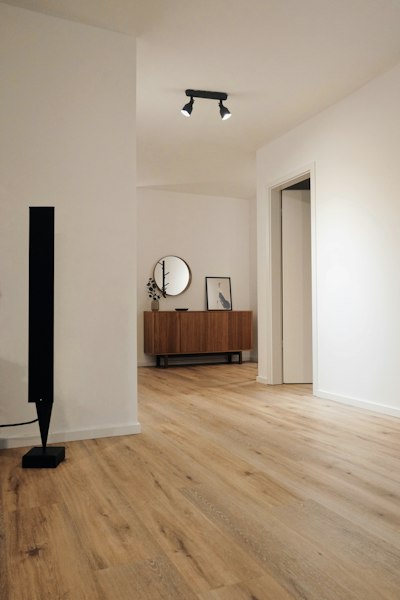
Wood flooring transforms a room's character in a way no tile can match. It is warm, visually rich, and creates an immediate sense of comfort — particularly in bedrooms and studies. The challenge in Indian flooring applications is that solid hardwood is highly sensitive to humidity, and Delhi NCR's dramatic swing from summer heat to monsoon humidity and winter dryness creates significant dimensional movement in solid wood, leading to warping and gaps over time.
Engineered wood solves most of this problem. It is constructed from a plywood or HDF core with a real wood veneer on top — typically 2–6mm of genuine hardwood. The layered core resists humidity-driven expansion and contraction far better than solid wood, making it the sensible choice for Delhi NCR bedrooms where you want the authentic wood look and feel.
Laminate flooring is an entirely different product that mimics the look of wood. It has an HDF core with a photographic layer printed to look like wood grain, sealed under a hard wear layer. It is not real wood, cannot be sanded and refinished, and has less acoustic warmth underfoot — but it is significantly more affordable and very durable for its price point.
- Solid hardwood: Teak, oak, walnut — beautiful but demanding. Requires stable humidity (ideally 45–55% RH year-round, meaning constant air conditioning). Best avoided in rooms without AC. Cost: ₹400–900/sq ft, material only.
- Engineered wood: The right call for most Indian bedrooms. Handles humidity variations well. Can be sanded and refinished once or twice (limited by veneer thickness). Cost: ₹200–500/sq ft material; ₹40–80/sq ft installation.
- Laminate: Budget-friendly wood look. Cannot be refinished. Avoid in wet areas — water seeps into the core and causes swelling. Cost: ₹50–120/sq ft material; ₹30–50/sq ft installation.
Best for: Master bedrooms, children's rooms, and home offices where warmth underfoot and visual cosiness matter.
Avoid in: Kitchens, bathrooms, entrance areas exposed to rain, and any room without climate control if using solid wood.
Luxury Vinyl Tile (LVT): The Practical New Choice
Luxury vinyl tile — sometimes called LVT or SPC (stone plastic composite) — is the fastest-growing flooring category in Indian residential interiors, and once you understand what it offers, the growth is not surprising. LVT is completely waterproof, warmer underfoot than stone or tile, far softer (which matters for young children and elderly family members), scratch-resistant, and available in highly realistic wood and stone patterns.
A decade ago, vinyl flooring had a reputation for looking cheap. Premium LVT today — from brands like Karndean, Shaw, or quality Indian options from Greenlam and Pergo — is difficult to distinguish from real wood at a glance and has a satisfying acoustic depth underfoot that ceramic tiles cannot match.
- Completely waterproof: Unlike laminate and wood, quality LVT (particularly SPC-core products) is unaffected by water — making it genuinely appropriate for kitchens and bathrooms in addition to living spaces.
- Warm and cushioned: LVT has natural flexibility and is warmer to the touch than stone. The best products include an acoustic underlay that reduces sound transmission — valuable in Delhi NCR apartment buildings.
- Easy replacement: Click-lock LVT can be installed and replaced plank by plank without adhesive, making repairs easy and rental properties more manageable.
- Cannot be refinished: Unlike wood, LVT cannot be sanded. If the surface wears or scratches badly, the planks must be replaced. Quality products have thick enough wear layers (0.5mm+) that this is rarely an issue for 15–20 years.
- Cost in Delhi NCR: ₹80–160/sq ft for good quality LVT; ₹180–280/sq ft for premium imports. Installation: ₹25–50/sq ft.
Best for: Children's rooms (safe for falls, easy to clean), rental properties, home offices, apartments requiring acoustic comfort, and any space where you want a warm-looking floor without the maintenance of real wood.
Avoid: Very high-end spaces where the look and feel of real stone or genuine wood matters to the homeowner or to resale value.
Natural Stone Beyond Marble: Granite, Kota, and Slate
India is rich in natural stone, and several options beyond marble deserve consideration depending on budget, aesthetics, and application.
- Granite: Exceptionally hard and heat-resistant — the best natural choice for kitchen floors and countertops. Less porous than marble, easier to maintain, and available in a wide range of colours from black (Absolute Black) to warm rose (Kashmir White). Cost: ₹80–250/sq ft for Indian granite; higher for imported varieties.
- Kota stone: A blue-grey Indian limestone quarried in Rajasthan, Kota stone is one of the most durable and affordable natural flooring options available. It is non-porous when polished, extremely tough, and develops a beautiful patina over time. Ideal for terraces, utility spaces, and any area where budget matters but quality is still required. Cost: ₹30–80/sq ft.
- Slate: Dark, textured, and richly earthy — slate makes a powerful design statement in entrance halls and feature rooms. It requires sealing and has a rustic, irregular character that is either exactly what you want or entirely wrong for your aesthetic. Cost: ₹100–200/sq ft for quality slate.
The Delhi NCR Climate Factor: What the Season Does to Your Floors
Delhi NCR's climate is one of the most demanding in India for flooring: peak summer temperatures above 45°C, a monsoon season that brings high humidity (70–80% RH) from July through September, and dry winters with near-zero nights. Each flooring material responds to these extremes differently, and this factor is worth treating as a first-order consideration rather than an afterthought.
- Stone and tile (marble, vitrified, granite): Completely unaffected by humidity and temperature extremes. Stone floors feel gloriously cool in Delhi summers — a genuine quality-of-life benefit. In winter, stone feels cold without rugs; area rugs in bedrooms and living rooms solve this. No dimensional movement, no warping, no maintenance related to climate.
- Engineered wood: Designed to handle humidity variation, but requires at least partial climate control. If a bedroom is unoccupied and un-airconditioned through the Delhi monsoon (August humidity regularly exceeds 80%), expect some movement even in engineered wood. Keep interior humidity between 40–65% for best results.
- Solid hardwood: Not recommended for Delhi NCR unless every room is climate-controlled year-round. The humidity swing from monsoon to winter dryness exceeds what most solid wood can handle without gapping or cupping.
- LVT/Vinyl: Completely indifferent to humidity and temperature. Of all flooring options, LVT is the most genuinely climate-proof choice for Delhi NCR apartments — which partly explains its rapid adoption in the market.
- Laminate: Handles moderate humidity variation acceptably, but prolonged exposure to high humidity or any standing water causes irreversible swelling at the core. Not suitable for kitchens or bathrooms, and risky in rooms that lack climate control through the monsoon.
Room-by-Room Flooring Recommendations for Indian Homes
Flooring decisions are most useful when made room by room rather than for the entire home at once. Different spaces have genuinely different requirements, and a blanket choice of one material throughout often means compromising somewhere.
Living room and dining area
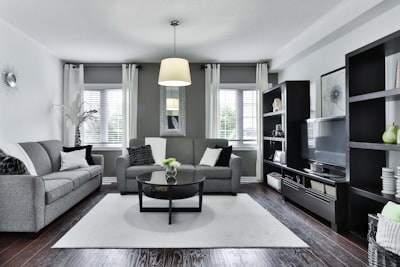
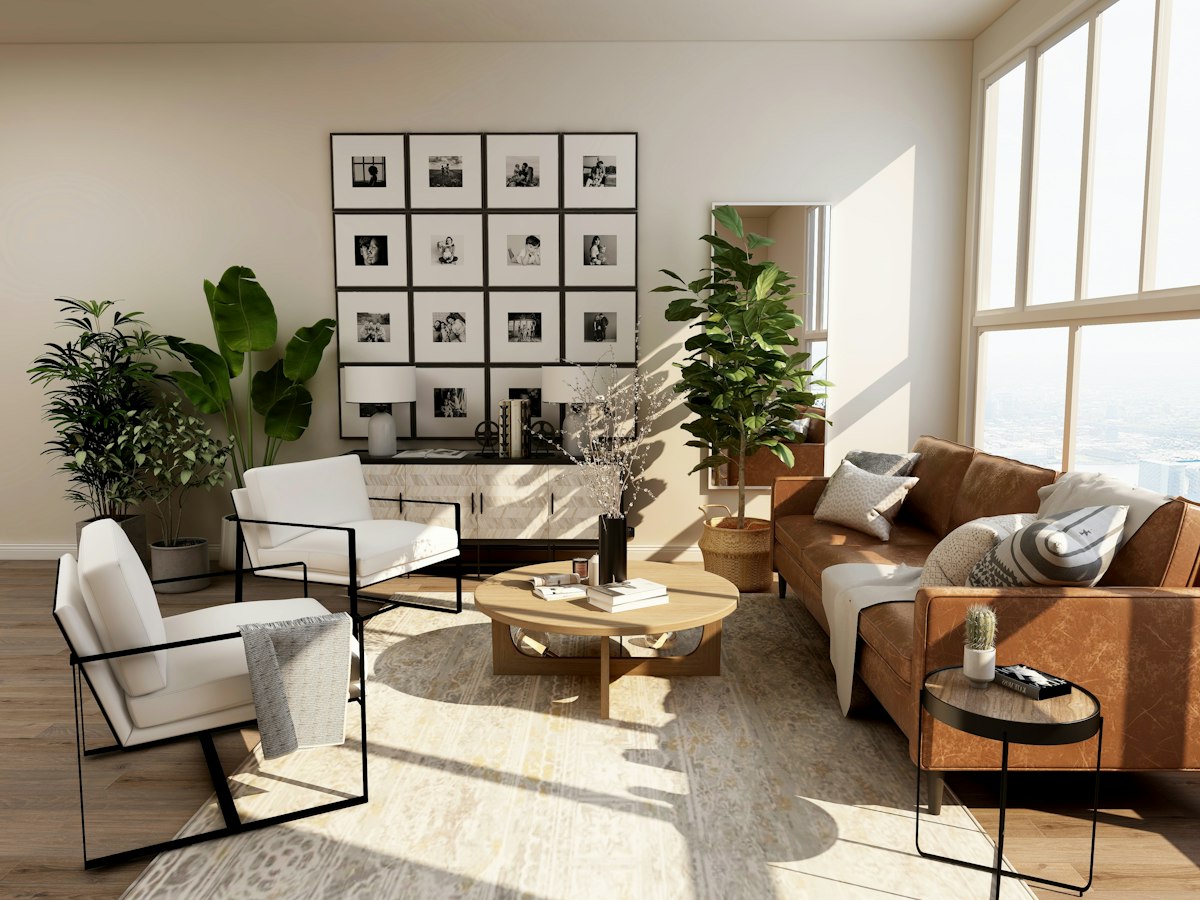
This is the room where aesthetics carry the most weight. Large-format vitrified tiles (800×800mm or 1200×600mm) in a marble-look finish create a spacious, premium appearance at a fraction of marble's cost. If budget allows, Italian marble or Makrana White genuinely elevates the space. Rugs define the seating area and add warmth in winter without changing the floor itself. Avoid wood and LVT here unless they suit a very specific design direction — the cool, hard surface of stone and tile is climatically appropriate for a Delhi living room.
Master bedroom
Engineered wood or quality LVT is the superior choice here. Warmth underfoot matters most in the bedroom — the first sensation of the morning and the last of the night. If you prefer the low-maintenance of tile, a large-format vitrified tile with a substantial area rug covering the sleeping zone achieves a very similar effect. Avoid marble in bedrooms for children and elderly family members due to the cold surface and slip risk.
Kitchen
The kitchen demands anti-skid, water-resistant, and stain-resistant flooring. Matte-finish or textured vitrified tiles (medium format — 400×400mm or 600×300mm — is easier to cut precisely around kitchen plinths and appliances than large formats) are the most practical choice. Avoid marble (staining from turmeric and oil is common and difficult to remove), wood, and laminate. If you want the warmth of LVT, a quality SPC-core vinyl is a genuine option in the kitchen — it is completely waterproof and considerably softer underfoot during long cooking sessions.
Bathrooms
Water resistance and anti-slip performance are non-negotiable. Matte-finish anti-skid vitrified tiles are the standard. Smaller tile formats (300×300mm or mosaic tiles) in the shower area provide more grout lines for grip. Avoid polished marble (extremely slippery), wood, and laminate. LED mirrors, bathroom renovation budget planning, and tile selection should be coordinated so the floor, wall tile, and fittings form a coherent visual scheme.
Children's rooms
LVT is the single best choice for children's rooms. It is warm underfoot, cushions falls better than tile or marble, is completely waterproof (paint spills, water play, wet towels — nothing damages it permanently), and is easy to clean. Laminate is a reasonable budget alternative if the room is well air-conditioned and kept dry. Avoid polished stone — it is cold, hard on falls, and slippery.
Entrance and foyer
The entrance takes the most abuse — outdoor shoes, monsoon mud, dust (Delhi's air quality means this is substantial), and heavy foot traffic. Durability and ease of cleaning should drive this decision. Dark-coloured tiles or stone hide dust better than light colours — a practical point worth noting in Delhi. Granite, Kota stone, or dark double-charge vitrified tiles are all excellent here. If you choose marble for the entrance for its statement value, commit to the sealing and maintenance routine it requires.
Approximate Cost Comparison for Flooring Options in Delhi NCR
The following figures include material plus standard labour (laying and grouting/installation) but exclude demolition of existing flooring, which adds ₹20–50/sq ft depending on the material being removed. These are 2026 estimates based on typical Delhi NCR market rates and will vary by supplier and contractor.
- Kota stone: ₹60–130/sq ft all-in
- Basic vitrified tiles (300×300mm or 600×600mm): ₹80–130/sq ft all-in
- Premium large-format GVT (800×800mm+): ₹130–250/sq ft all-in
- Laminate flooring: ₹90–180/sq ft all-in
- Quality LVT / SPC vinyl: ₹120–320/sq ft all-in
- Indian marble (Makrana, Rajasthan): ₹150–320/sq ft all-in
- Engineered wood: ₹260–600/sq ft all-in
- Italian marble (Carrara, Statuario): ₹350–750/sq ft all-in
For a detailed picture of total renovation costs including flooring, our guide on home renovation costs in Delhi NCR breaks down all the major expense categories with current market rates.
Making Your Final Flooring Decision: Key Questions
Before committing to a flooring option for Indian homes, work through these practical questions with your designer or contractor:
- Who lives in this space? Young children and elderly family members significantly favour warmer, softer, less slippery materials — LVT over polished marble, always.
- Is the room climate-controlled year-round? Wood flooring — solid or engineered — performs best in stable humidity. If the answer is no or only partially, choose stone, tile, or LVT instead.
- How much maintenance are you willing to do? Marble is the most demanding; vitrified tiles are the lowest-maintenance stone option; LVT requires essentially none beyond mopping.
- What is the room's traffic level and use? Kitchen and entrance floors need maximum durability; a guest bedroom used rarely can carry more delicate materials.
- Is this a home you plan to sell or rent in the next five years? Italian marble and premium stone add perceived value for sale; LVT is ideal for rental properties where durability and easy replacement matter more than prestige.
- What is your all-in budget including labour and waste? Flooring estimates frequently undercount the 10–15% material waste factor and the cost of removing existing flooring. A realistic budget avoids mid-project compromise.
Getting flooring right is one of the highest-leverage decisions in any home renovation project. The floor is the one surface that literally grounds every other design decision — your furniture, your walls, your lighting — and living with the wrong choice for ten years is a daily reminder of a single decision made in a showroom. At Re:Room, we walk every client through a structured flooring consultation before any tiles or materials are ordered, because we have seen — too many times — what the right floor does for a space and what a rushed decision costs in the long run. Whether you are starting a full 3BHK interior fit-out or replacing a single room, get the flooring right first and everything else becomes easier.
Not sure which flooring is right for your home?
Our designers guide you through every material decision — factoring in your lifestyle, budget, and Delhi NCR's climate — so you choose with confidence and no regrets.
Book a Free ConsultationFrequently asked questions.
What is the best flooring for a Delhi NCR living room — marble or vitrified tiles?
Large-format vitrified tiles (800×800mm or larger) in a marble-look finish give a spacious, premium appearance at a fraction of marble's cost — vitrified runs roughly ₹80–250/sq ft all-in versus ₹350–750/sq ft for Italian marble. If budget allows, Italian marble or Makrana White genuinely elevates the space further, since the living room is where aesthetics carry the most weight.
Is marble flooring safe for bathrooms and homes with kids or elderly family members?
No — polished marble is extremely slippery when wet, which makes it a poor choice for bathrooms and homes with young children or elderly family members. Honed, matte-finish marble is a safer alternative if you want the look, but matte-finish anti-skid vitrified tiles are the standard, lower-risk choice for bathrooms.
How much more does engineered wood flooring cost compared to vitrified tiles in Delhi NCR?
Basic vitrified tiles run ₹80–130/sq ft all-in and premium large-format GVT runs ₹130–250/sq ft, while engineered wood runs ₹260–600/sq ft all-in — roughly double to triple the cost. Engineered wood is generally reserved for bedrooms where warmth underfoot matters more than in living areas.
Can engineered wood flooring handle Delhi's humidity and monsoon season?
Better than solid hardwood, yes. Engineered wood has a plywood or HDF core with a real wood veneer on top, which resists humidity-driven expansion far better than solid wood, but it still needs at least partial climate control — keep interior humidity between 40–65% for best results. Solid hardwood is not recommended for Delhi NCR unless every room is climate-controlled year-round.