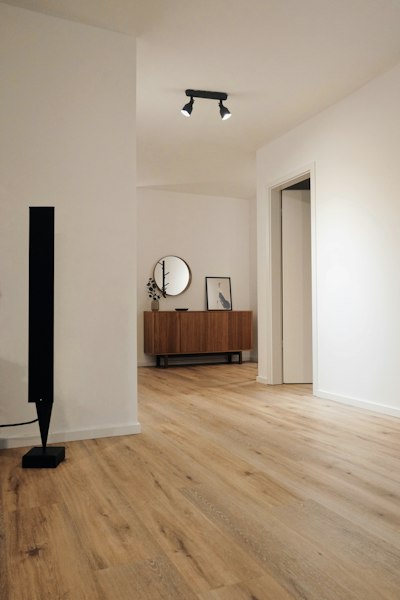
Every June, Delhi NCR's interior design conversations shift sharply. The questions that drive renovation plans in January — which wall colour, which sofa fabric, which flooring — give way to more urgent ones: why is the wall peeling, why does the wooden floor feel damp, and what is that smell coming from the wardrobe? Monsoon interior design in India is a discipline in itself, because the rainy season tests every material choice, every surface finish, and every structural detail that an interior holds.
The good news is that a well-planned interior can come through the monsoon season looking exactly as it did before the rains arrived. The bad news is that most Indian homes are not planned with monsoon resilience in mind — and the damage compounds year after year. This guide covers everything you need to know to monsoon-proof your home, whether you are planning a new interior or trying to protect an existing one through the rains.
Why Monsoon Is the Real Test of Good Monsoon Interior Design in India
Delhi NCR receives most of its annual rainfall between July and September, with humidity levels staying above 70% for weeks at a time. That sustained humidity is what damages interiors — not just the rain itself. Wood swells, MDF warps, paints bubble, metal rusts, and fabric absorbs moisture and develops mould. None of these are dramatic sudden events; they accumulate gradually and become visible only after the damage is already significant.
The other factor specific to Indian apartments is construction quality. Many residential buildings have minor waterproofing deficiencies — hairline cracks in external walls, inadequately sealed window frames, or poorly flashed terraces — that go unnoticed during the dry season and announce themselves catastrophically every July. Interior finishes absorb and amplify these structural issues; good material choices can limit the damage even when the building itself is imperfect.
The monsoon does not damage a home all at once. It exploits every small vulnerability, season after season, until the cumulative toll becomes impossible to ignore.
Walls and Ceilings: The First Line of Defence
Wall and ceiling damage during the rainy season almost always starts from the outside — seepage through external walls, water pooling on a terrace above, or leaks around window and door frames. Before investing in new interior finishes, it is worth doing a thorough external audit before the monsoon arrives.
Choosing the Right Wall Paint
Ordinary emulsion paints are porous and absorb moisture, leading to bubbling, peeling, and eventually fungal growth. For monsoon-resilient walls in Indian homes, choose paints formulated with waterproofing properties:
- Exterior-grade waterproof emulsion for terrace-adjacent walls: If your flat has a terrace above, the ceiling and the walls adjacent to it are most vulnerable. Waterproof exterior-grade paint on the inside face of these walls provides a secondary barrier after the waterproofing membrane on the terrace above.
- Anti-fungal interior paints: Most premium paint brands in India — Asian Paints, Berger, Nerolac — offer interior emulsions with built-in anti-fungal additives. These are worth using throughout the home, not just in bathrooms. Look for labels marked "moisture-resistant" or "mould-resistant."
- Texture and finish matter: Smooth, hard finishes (acrylic emulsions with a satin or semi-gloss finish) are easier to wipe down if moisture condenses on the surface. Flat/matte paints absorb moisture more readily and are harder to clean.
- Primer first, always: A waterproof primer coat before painting is not optional in Indian construction. It seals micro-pores in the plaster and dramatically extends the life of the topcoat through the monsoon.
If you are seeing peeling or bubbling on existing walls, do not simply repaint over the damage. Strip the paint back to the plaster, allow the wall to dry completely (this may take weeks in humid weather), treat any efflorescence with a chemical efflorescence remover, apply a bonding primer, and then repaint. Painting over moisture is the most common — and most expensive — mistake homeowners make.
Flooring Choices That Survive the Rains
Not all flooring responds to the monsoon season equally. The right choice depends on the room's proximity to external walls and windows, whether the building has basement moisture issues, and how much foot traffic the space handles during the wet season.
Flooring options ranked for monsoon resilience
- Ceramic and vitrified tiles: The most moisture-resistant option available in India. Non-porous, easy to clean, and unaffected by humidity. The grout between tiles is the only vulnerability — use epoxy grout (rather than cement grout) in high-moisture areas like bathrooms, kitchens, and balconies, as it resists staining and mould growth.
- Natural stone (granite, marble): Highly durable and moisture-resistant when properly sealed. Marble is slightly porous and benefits from annual resealing with a stone sealer, especially in bathrooms. Granite is more forgiving. Both feel cool underfoot — a genuine comfort during humid Indian summers and monsoon heat.
- Vinyl plank flooring (LVT): 100% waterproof and increasingly popular in Indian homes undergoing renovation. Luxury vinyl tile (LVT) looks convincingly like wood or stone and handles monsoon humidity without warping. It is also warmer underfoot than tile. A good option for bedrooms where hardwood is desired but moisture risk is a concern.
- Laminate flooring: Acceptable in low-moisture areas like living rooms and bedrooms, but vulnerable to water damage if exposed to standing water or chronic humidity. The core is typically HDF (high-density fibreboard) which swells when wet. If you have laminate and live in a ground-floor flat or a building with basement moisture issues, monitor it carefully through the monsoon.
- Solid wood and engineered wood: Beautiful but demanding. Solid wood expands and contracts significantly with humidity changes. Engineered wood is more dimensionally stable but still susceptible to prolonged moisture exposure. Both require dehumidifiers or air conditioning to maintain indoor humidity below 60% if they are to survive multiple monsoon seasons without cupping or gapping. Read our complete flooring guide for Indian homes for a full comparison of all options.
Furniture and Upholstery: Protecting Your Investments
Furniture damage during the monsoon season is subtle and cumulative. Wood absorbs moisture and swells; metal hardware rusts; fabric upholstery develops an unpleasant damp smell; and leather — genuine or bonded — can develop mould or crack as it wets and dries repeatedly.
Wood furniture
Solid teak and sheesham (rosewood) are the most moisture-resistant hardwoods available in India and a worthwhile investment if you are buying furniture that needs to last through multiple monsoons. Teak's natural oils make it particularly resistant to moisture and fungal growth. MDF (medium-density fibreboard) — used in most mass-market furniture — is the most vulnerable material; it swells irreversibly when exposed to moisture and should be avoided for furniture in rooms with poor ventilation or proximity to external walls.
Elevate all wooden furniture slightly off the floor using small rubber feet or felt pads. This prevents capillary absorption through the base if floor moisture is an issue, and improves airflow underneath. Pull heavy wooden pieces a few centimetres from external walls to allow air circulation and prevent moisture from being trapped between the wall and the furniture back.
Upholstery and soft furnishings
- Fabric selection: Cotton and linen upholstery absorbs moisture readily and is slow to dry, creating ideal conditions for mildew. For sofas in humid rooms, opt for synthetic-blend fabrics (polyester, microfibre) or performance fabrics specifically marketed as moisture-resistant. These are widely available from fabric suppliers in Delhi's Kirti Nagar furniture market.
- Leather and faux leather: Genuine leather needs conditioning every few months during and after the monsoon — a quality leather conditioner applied twice during the rainy season prevents drying and cracking. Bonded leather (cheaper imitation) tends to peel badly in sustained humidity and is not recommended for Delhi NCR apartments without consistent air conditioning.
- Removable slipcovers: If you have existing fabric sofas and cannot replace them before the monsoon, high-quality slipcovers are a practical interim solution. They can be machine-washed if they develop a musty smell, and they protect the underlying upholstery from direct moisture exposure.
- Rugs and carpets: Roll up and store any wool or silk rugs during the peak monsoon months (July–September). Synthetic rugs are more tolerable in humid conditions but should still be lifted and dried periodically to prevent mould growth underneath. Avoid carpeting in ground-floor rooms or rooms adjacent to external walls.
Wardrobes and Storage: The Hidden Monsoon Battleground
The inside of a wardrobe is one of the first places monsoon damage becomes apparent, and one of the last places homeowners think to address. Clothes stored in wardrobes in humid conditions develop a musty smell within days; over weeks, mould appears on fabrics, especially natural fibres stored tightly packed without air circulation.
- Silica gel sachets: Place silica gel desiccant sachets inside each wardrobe compartment at the start of the monsoon. Replace or regenerate them (by drying in an oven at low temperature) every three to four weeks. Large sachets are available cheaply at hardware stores across Delhi NCR.
- Camphor or cedar blocks: These serve double duty — they deter insects and absorb minor moisture. Traditional camphor balls (naphthalene) are effective but have a strong smell; cedar blocks are a more pleasant-smelling alternative.
- Avoid overpacking: Tightly packed clothes do not allow air to circulate between garments, creating micro-environments where moisture accumulates. Leave some breathing room in each wardrobe section, especially for stored woolens and silks.
- Wardrobe material: If you are having wardrobes made during a renovation, specify marine-grade plywood (BWR — Boiling Water Resistant) for the carcass rather than standard commercial plywood. It costs roughly 20–30% more but will not delaminate when exposed to monsoon humidity year after year. Your wardrobe designer should confirm the plywood grade used before work begins.
Windows, Doors, and Curtains During the Monsoon
Windows and external doors are where the monsoon literally enters the home. Even well-fitted frames develop tiny gaps over time as buildings settle and materials expand and contract through seasonal temperature changes. A pre-monsoon audit of all window and door seals is one of the highest-return maintenance tasks available to an Indian homeowner.
Run your hand along window frames on a rainy day. If you feel air movement, there is a gap. Apply self-adhesive foam weatherstripping tape to compress and seal the gaps — it costs almost nothing and makes a significant difference to both water ingress and air conditioning efficiency. For persistent seepage around frames, a silicone sealant applied to the external perimeter is more durable.
Curtain choices for the monsoon
Curtains near windows that are opened during rain — or that get splashed when it rains heavily — need to be washable and quick-drying. Heavy velvet, silk, or embroidered curtains are beautiful in the winter but problematic in the monsoon: they absorb water, take days to dry, and can develop mould or colour bleeding at the hem.
- Switch to lighter, synthetic or cotton-polyester blend curtains for the monsoon months, or use an inner sheer lining that takes the moisture exposure while the decorative outer curtain stays dry.
- Ensure curtain tracks and rods are metal rather than MDF or chipboard — monsoon humidity causes wood-based hardware to warp and swell, which can jam track systems.
- For blackout curtains near west-facing windows (where rain typically drives in), choose curtains with a rubberised or acrylic coating on the back face rather than a fabric lining — they are significantly more water-resistant.
For a complete guide to window dressing choices throughout the year, including monsoon-suitable fabrics and track systems, see our curtains and window treatments guide for Indian homes.
Managing Indoor Humidity: Ventilation and Dehumidification
The most effective long-term protection for all interior surfaces and furniture is keeping indoor relative humidity below 60%. Above this threshold, mould begins to grow on surfaces within 24–48 hours. In Delhi NCR's peak monsoon months of July and August, outdoor humidity regularly exceeds 85% — without active management, indoor humidity follows.
Practical humidity control
- Air conditioning: Running AC on "dry" or "dehumidify" mode (rather than "cool") removes moisture from the air without necessarily cooling the room significantly. This mode is more energy-efficient for humidity control alone. Most modern split AC units in India have this mode.
- Portable dehumidifiers: For rooms without AC — storerooms, utility areas, wardrobes in unoccupied rooms — a portable electric dehumidifier is a practical investment. Units sized for 10–20 sq m rooms are available from brands like Eureka Forbes and Havells in India. Empty the water tank daily during peak monsoon.
- Cross-ventilation: On days when the rain pauses and outdoor humidity drops, open windows on opposite sides of the home to create cross-ventilation and flush stale, humid air out. Morning hours (6–9 AM) typically offer the best combination of lower humidity and cooler temperatures.
- Exhaust fans in kitchens and bathrooms: Keep these running longer than usual during the monsoon. The steam from cooking and bathing adds significantly to indoor humidity, and every bit of moisture that goes out through the exhaust is moisture that does not end up on your walls and furniture.
- Indoor plants — curated, not crowded: Plants release moisture through transpiration, which can raise indoor humidity levels if there are many of them in a closed space. During the monsoon, move large plant collections to a balcony or reduce their number indoors. A few hardy, low-transpiration plants — like sansevieria or ZZ plants — are fine to keep inside.
The Pre-Monsoon Checklist: What to Do Before the Rains Arrive
The most effective monsoon interior design strategy in India is prevention, not repair. A few hours spent on the following tasks before the monsoon arrives will save days of damage mitigation after it. In Delhi NCR, the rains typically begin in earnest around the first week of July — which means June is the ideal window for this checklist.
- Inspect and reseal all window and door frames with silicone sealant or weatherstripping tape. Pay particular attention to north-facing windows, which receive the most rain exposure in Delhi.
- Check the terrace waterproofing membrane (if you are on the top floor or if there is a terrace above your flat). Hairline cracks in the waterproofing coat should be repaired with a bituminous sealer before the rains begin.
- Apply a wood sealer or polish to all wooden furniture, floors, and door frames. This creates a protective barrier against moisture absorption. Teak oil works well for outdoor or semi-exposed wood; furniture polish or wax for indoor pieces.
- Place silica gel sachets in wardrobes, shoe racks, and storage boxes.
- Roll up and store delicate rugs — wool, silk, and hand-knotted pieces — in breathable fabric bags in a dry interior room.
- Clean and treat grout lines in bathrooms and kitchens with a grout sealer, and replace any cracked or missing grout that could allow water to penetrate underneath tiles.
- Service your AC units — clean filters allow the system to run more efficiently as a dehumidifier during the monsoon.
- Test all exhaust fans in bathrooms and kitchens. Replace any that are slow or noisy — they will be working harder than usual for the next three months.
- Move furniture slightly away from external walls to allow air circulation behind large pieces.
- Stock up on silica gel, leather conditioner, wood polish, and anti-fungal spray — these become scarce in hardware stores once the rains begin and everyone realises they need them simultaneously.
Monsoon interior design in India is not about reacting to damage — it is about removing the conditions that allow damage to happen in the first place.
If Your Home Already Has Monsoon Damage: Where to Start
If your home has already seen water damage from previous monsoon seasons — peeling paint, warped flooring, rusting hardware, or persistent damp smells — the right approach is to address the root cause before investing in new finishes. Repainting a damp wall, relaying flooring on a damp slab, or replacing a wardrobe without addressing the seepage that damaged it will simply repeat the cycle.
A structural waterproofing audit — carried out by a civil engineer or a waterproofing specialist — is the right first step. In Delhi NCR, most reputable construction firms offer this as a standalone service for ₹5,000–₹15,000 depending on the property size. The report will identify the sources of moisture ingress and recommend remediation. Only once the building envelope is sound should you invest in new interior finishes.
At Re:Room, our renovation planning process includes a pre-renovation moisture assessment for all projects, because we know that no interior — however beautifully designed — will hold up if the structure behind it is wet. Monsoon interior design in India begins not with materials or colours, but with understanding exactly where the water is coming from and stopping it at the source.
Planning a renovation before or after the monsoon?
Our designers factor in climate, materials durability, and seasonal timing into every project — so your home looks great through every season, not just on completion day.
Book a Free ConsultationFrequently asked questions.
What is the best flooring for monsoon-prone Indian homes?
Ceramic and vitrified tiles are the most moisture-resistant option available in India — use epoxy grout rather than cement grout in bathrooms, kitchens and balconies. Natural stone and vinyl plank (LVT) are also strong choices, LVT being 100% waterproof. Avoid laminate flooring in ground-floor or high-moisture rooms since its HDF core swells when wet, and keep solid or engineered wood only where indoor humidity can be held below 60%.
How do I stop mould and musty smell in my wardrobe during monsoon?
Place silica gel desiccant sachets in every wardrobe compartment and replace or regenerate them every three to four weeks. Add camphor or cedar blocks, avoid overpacking clothes so air can circulate, and if you're having wardrobes made, specify BWR (Boiling Water Resistant) marine-grade plywood for the carcass — it costs roughly 20–30% more but will not delaminate season after season.
What indoor humidity level should I maintain to prevent mould?
Keep indoor relative humidity below 60% — above that threshold, mould begins growing on surfaces within 24 to 48 hours. Run your AC on "dry" or "dehumidify" mode, use a portable dehumidifier in rooms without AC, cross-ventilate during the lower-humidity morning hours of 6–9 AM, and keep kitchen and bathroom exhaust fans running longer than usual through the monsoon.
How much does a waterproofing audit cost in Delhi NCR?
Most reputable construction firms in Delhi NCR offer a structural waterproofing audit as a standalone service for ₹5,000–₹15,000 depending on property size. If your home already has peeling paint, warped flooring or a persistent damp smell, this audit — carried out by a civil engineer or waterproofing specialist — should be the first step before investing in new interior finishes.