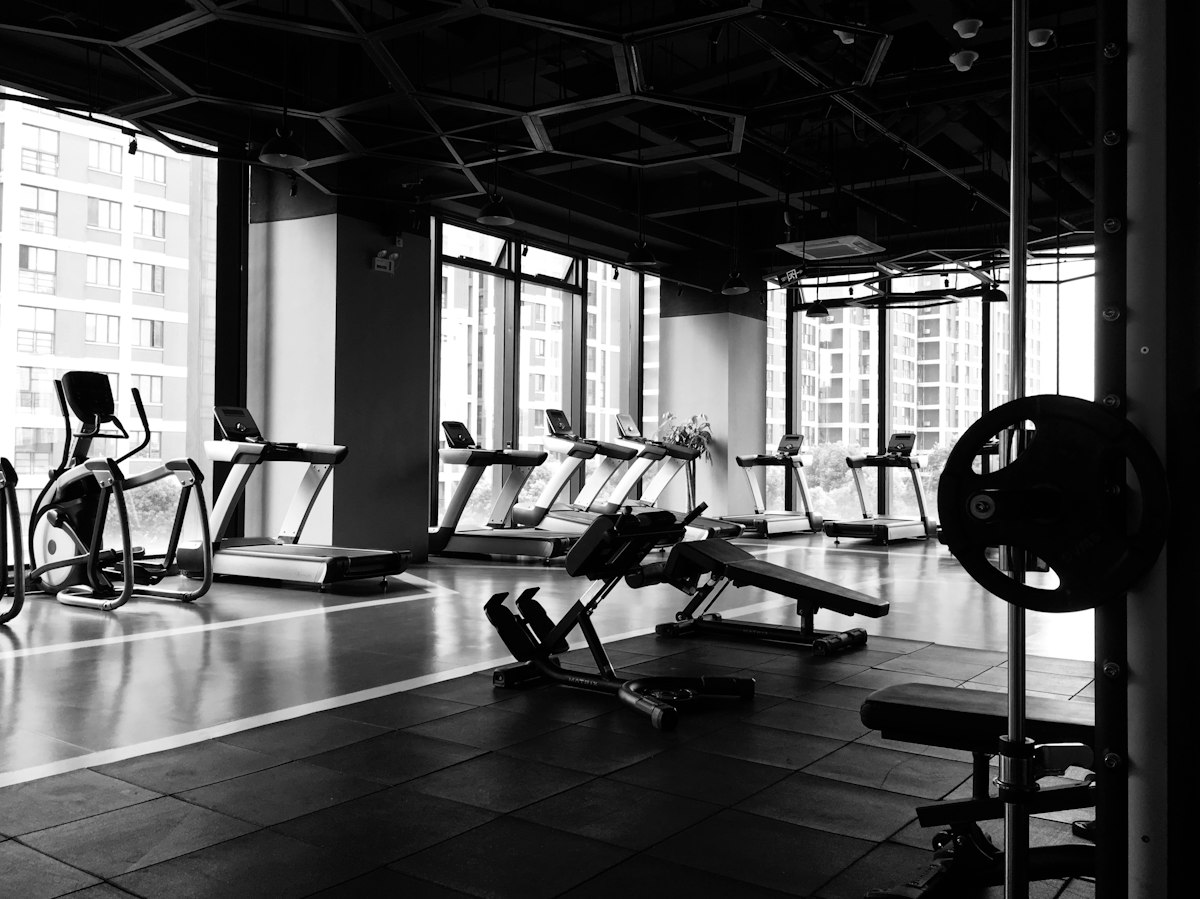
A gym membership is easy to buy and easy to skip once the Delhi NCR traffic, the weather, or a late meeting gets in the way. That's why more homeowners are asking for home gym design ideas for Indian homes that turn a spare bedroom, a balcony corner, or even a slice of the living room into a space they'll actually use every day. The good news is that a functional home gym doesn't need a dedicated room the size of a commercial studio — it needs the right flooring, ventilation, storage and a layout that matches the equipment you'll realistically use.
This guide covers the practical decisions that separate a home gym that gets used from one that quietly turns into a storage room for the treadmill nobody touches after the first month.
Why Home Gym Design Ideas for Indian Homes Are in Demand
Since 2020, working out at home has gone from a stopgap to a genuine preference for many urban Indian households. Add to that the time saved by not commuting to a gym in Delhi NCR traffic, and it's easy to see why homeowners are carving out 40–80 sq ft for a proper workout corner instead of relying on a folding yoga mat rolled out in the bedroom.
The shift also means home gym design ideas for Indian homes now come up as often in renovation conversations as kitchens or wardrobes. Done well, this space pays for itself in convenience within the first year — done poorly, it becomes clutter that nobody wants to walk past.
Choosing Where the Gym Actually Goes
The single biggest factor in whether a home gym gets used is how easy it is to walk into. A space that requires moving furniture or unlocking a storeroom every time rarely survives past the first few weeks.
- A spare bedroom or study: The easiest option if you have one — it offers a closable door, existing flooring to build on, and privacy from the rest of the house.
- A covered balcony or terrace: Works well for yoga, stretching and bodyweight training if it gets good airflow and some shade; it's a natural fit alongside broader terrace and rooftop design ideas if you're already planning that space.
- A corner of the living or dining area: Viable for a compact setup — a fold-away bench, resistance bands and a yoga mat — if you're comfortable with the equipment being visible rather than tucked away.
- Basement or garage space: Common in independent floors and villas around Delhi NCR, and ideal for heavier equipment since noise and vibration matter less here.
If you're weighing this against a work-from-home setup in the same room, it's worth reading alongside our home office interior design guide, since the layout, lighting and acoustic needs of the two spaces often overlap.
Flooring That Can Handle Heavy Equipment and Repeated Impact
Standard vitrified tiles or marble look good but aren't built for dropped dumbbells, jump training, or a treadmill running for an hour daily. Flooring is the one decision worth getting right before anything else goes in.
- Interlocking rubber tiles: The most popular choice for Indian home gyms — they cushion impact, protect the sub-floor, and can be lifted and cleaned individually if one section wears out.
- EVA foam mats: A lighter, more affordable option for yoga and bodyweight spaces, though they don't hold up as well under heavy free weights.
- A layer of plywood under rubber tiles: Worth considering directly below very heavy equipment like a squat rack, since it spreads the load and protects the floor slab beneath.
- Avoid carpet entirely: It traps sweat and odour, and doesn't provide stable footing for most strength exercises.
The flooring is the one part of a home gym you can't retrofit around later — get this decision right first, and everything else becomes easier to plan.
Ventilation, Lighting and Mirrors
A workout space that feels stuffy or dim is one people avoid, no matter how good the equipment inside it is.
- A dedicated exhaust fan or air circulator: Essential for any enclosed home gym, since a small room heats up quickly during a workout, especially through Delhi NCR summers.
- Bright, cool-toned LED lighting: Warm, dim lighting suits bedrooms but works against energy and focus in a workout space — go brighter and cooler here than elsewhere in the home.
- A full-length wall mirror: Useful for checking form during strength training and also makes a small room feel noticeably larger.
- Natural light where possible: A window or glazed door that opens onto a balcony makes a real difference to how often the space gets used, particularly for early-morning sessions.
Storage That Keeps Equipment From Taking Over the Room
Loose dumbbells, resistance bands and yoga mats scattered across the floor are usually what make a home gym feel chaotic rather than motivating.
- Wall-mounted racks for dumbbells and kettlebells: Keeps the floor clear and makes it obvious where everything belongs after a workout.
- A slim vertical rack for the yoga mat and foam roller: A narrow gap beside a wardrobe or door is often enough for this.
- A fold-away or wall-mounted bench: Ideal for smaller rooms where the bench isn't needed for every session — it folds flat against the wall when not in use.
- Closed cabinets for bands, gloves and small accessories: Prevents small items from cluttering visible surfaces.
The same vertical-storage principles from our smart storage solutions guide for small apartments apply directly here — in a compact home gym, wall space is almost always more valuable than floor space.
Managing Noise and Vibration in an Apartment
Dropped weights and a running treadmill carry sound through a building far more than most people expect, and this is one of the most common complaints from neighbours in Delhi NCR apartment societies.
- Thick rubber flooring, not thin mats: A denser rubber tile absorbs impact sound significantly better than a basic foam mat.
- Anti-vibration pads under a treadmill or spin bike: Reduces the low-frequency rumble that travels through floor slabs to the apartment below.
- Timing high-impact workouts sensibly: A simple courtesy that avoids most noise complaints — save jump training and heavy drops for reasonable hours.
- A rug or acoustic panel on an adjoining wall: Worth adding if the gym shares a wall with a neighbour's bedroom rather than a passage or staircase.
Common Home Gym Design Mistakes to Avoid
A few mistakes show up again and again in Indian home gyms, and most of them are easy to avoid with a bit of planning before equipment arrives.
- Buying equipment before measuring the space: A treadmill or squat rack that doesn't leave walking room around it quickly gets used less, not more.
- Skipping proper flooring to save cost: Damaged sub-flooring and cracked tiles from dropped weights end up costing more to repair than rubber tiles would have cost upfront.
- No ventilation plan: A hot, airless room is one of the fastest ways to kill motivation for a home workout routine.
- Treating it as a low-priority afterthought room: A gym tucked into leftover space with no thought to lighting or storage rarely gets used consistently, however good the equipment is.
Good home gym design ideas for Indian homes come down to a handful of decisions made early: the right spot, flooring that can take a beating, honest ventilation and lighting, and storage that keeps the room feeling organised rather than cluttered. Get these right, and a home gym stops being an expensive rack for equipment nobody touches — it becomes one of the most-used rooms in the house.
Ready to transform how your home feels?
Our designers plan home gyms that fit your space, your equipment and your routine — flooring, storage and ventilation included. Let's build a workout space you'll actually use.
Book a Free ConsultationFrequently asked questions.
How much space do I need for a home gym in an Indian apartment?
Most functional home gyms fit into 40–80 sq ft — a spare bedroom corner, a covered balcony, or a section of the living or dining area works fine. The space doesn't need to match a commercial studio; it needs the right flooring, ventilation, and storage for the equipment you'll actually use.
What's the best flooring for a home gym with heavy weights?
Interlocking rubber tiles are the most popular choice — they cushion impact, protect the sub-floor, and can be lifted and cleaned individually if one section wears out. For very heavy equipment like a squat rack, add a layer of plywood underneath the rubber tiles to spread the load. Avoid carpet entirely, since it traps sweat and odour and doesn't provide stable footing.
How do I stop a home gym from disturbing neighbours in an apartment?
Use thick, dense rubber flooring rather than thin foam mats, since it absorbs impact sound significantly better. Add anti-vibration pads under a treadmill or spin bike to cut the low-frequency rumble that travels through floor slabs, and time high-impact workouts to reasonable hours as a simple courtesy to neighbours.
What ventilation and lighting does a home gym need?
A dedicated exhaust fan or air circulator is essential, since a small enclosed room heats up quickly during a workout, especially through Delhi NCR summers. Go with bright, cool-toned LED lighting rather than the warm, dim lighting used in bedrooms, and add a full-length wall mirror to check form and make the room feel larger.