The main door is the one element of a home that every visitor, delivery agent, and family member touches on their way in — and it's usually the last thing homeowners budget properly for. A good main door design for Indian homes has to do three jobs at once: hold up to daily wear in extreme heat and monsoon humidity, satisfy Vastu direction and material guidance that most Indian families still take seriously, and set the tone for the interiors waiting inside.
At Re:Room, we treat the main door and its surrounding foyer as one design decision, not two separate purchases. This guide walks through Vastu-correct direction and placement, how to choose between wood, metal, and composite materials, sizing standards, and the hardware details that actually matter for security and daily use.
Vastu Guidance for Main Door Direction
Vastu Shastra places significant weight on the direction a main door faces, and while you may not always have a choice — the door location is usually fixed by the building's architecture — it's worth understanding the logic before you finalise design elements you can still control, like colour, threshold height, and door swing.
- North and East facing: considered the most auspicious directions, associated with prosperity and positive energy flow. Northeast (Ishanya) is regarded as especially favourable.
- West facing: considered neutral to good, common in many Delhi NCR plotted developments and acceptable with the right remedies.
- South facing: traditionally seen as less favourable, though Vastu consultants generally agree that a south-facing door can be balanced with correct threshold design, lighting, and colour choices rather than requiring structural change.
If your main door's direction isn't ideal by Vastu standards, most consultants recommend corrections through the door's colour, a raised threshold (dehleez), and keeping the entrance well-lit and clutter-free — not demolition or relocation, which is rarely practical in an apartment.
The main door vastu direction is only half the picture — Vastu also emphasises that the door should open inward, without obstruction, and should be the largest and grandest door in the home, larger than internal room doors.
Main Door Colour by Vastu Direction
Colour is the easiest and most common Vastu correction homeowners apply, since it doesn't require any structural change.
- North-facing doors: green, blue, or light shades are considered favourable.
- East-facing doors: white, light yellow, or silver tones work well.
- South-facing doors: maroon, coffee brown, or dark wood tones are generally recommended.
- West-facing doors: blue, grey, or white are considered suitable.
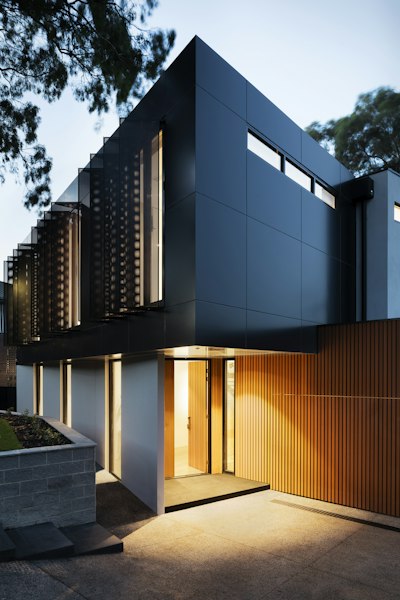
Avoid black as a dominant colour on the main door itself, though black hardware and fittings against a wood or muted base are fine and are actually one of the more popular finishes in contemporary entrance design ideas India homeowners are choosing right now.
Choosing the Right Material: Wood vs Metal vs Composite
Solid Wood (Teak, Sal, Sheesham)
Solid wood remains the preferred main door material India buyers choose when budget allows, particularly teak, which resists warping and termites better than most other species. A well-sealed and polished teak door can last decades with minimal maintenance, and it carries the traditional, warm look most Vastu-conscious families associate with an auspicious entrance. Expect to pay a premium — teak main doors typically run higher than metal or engineered alternatives, but the resale and longevity value often justifies it.
Engineered Wood and Flush Doors
Engineered wood doors with a veneer finish offer the look of solid wood at a lower cost and with better dimensional stability in humid conditions, since they're less prone to swelling during monsoon than some solid wood species. This is a practical middle-ground choice for budget-conscious renovations.
Metal and Steel Doors
Steel and wrought-iron doors are increasingly common as the outer security door paired with an inner wooden door — a double-door setup that's now close to standard in Delhi NCR apartments and independent houses. The metal door adds security without compromising the warmth of the wood door behind it, and this combination also satisfies Vastu preference for a solid, substantial main entrance.
Composite and PVC Doors
For weather-exposed entrances — ground-floor units, farmhouses, or homes with direct rain exposure — composite doors resist moisture and don't need repainting as often as wood. They're a practical choice when style is secondary to low maintenance.
Size and Proportion Standards
Standard main door sizes in Indian homes typically range from 36 to 42 inches in width and 80 to 84 inches in height, though larger independent houses and villas often go up to 48 inches wide for a grander entrance statement. As a Vastu and practical design rule, the main door should be proportionally larger than any internal door in the home — a main door that's the same size as a bedroom door reads as visually weak from the outside and is generally discouraged.
Double-shutter main doors, where one leaf is used daily and the second opens only occasionally for moving furniture or during festivals, have become popular in larger 3BHK and villa projects because they create a strong visual entrance without the width becoming impractical for daily use.
Hardware, Locks, and Security
The door itself is only as good as its hardware. A few essentials worth budgeting for:
- Multi-point locking systems that engage at three or more points along the frame, offering better security than a single deadbolt.
- A video door phone or smart lock — increasingly standard in Delhi NCR gated communities, and worth wiring for even if you install it later.
- A sturdy door closer for the outer metal door, especially useful for families with young children or elderly members.
- Weather-sealing strips along the frame to keep out dust and monsoon water ingress, particularly important for ground-floor and corner units.
Pair your hardware choices with good entrance lighting — a well-lit main door isn't just a security measure, it's also considered auspicious in Vastu, since a dark or dim entrance is thought to block positive energy from entering the home.
Designing the Entrance Around the Door
The main door doesn't work in isolation — it needs a threshold, a name plate, and often a small verandah or covered porch area if the building layout allows it. A raised threshold (dehleez) is both a Vastu recommendation and a practical one, keeping monsoon water and dust from entering directly. If you have outdoor space in front of the main door, consider how it connects to your terrace or balcony design, since the entrance sequence — from gate to door to foyer — works best as one continuous design thought rather than disconnected elements.
A main door design for Indian homes that gets the direction, material, and proportion right does more than satisfy tradition — it's genuinely the first impression every guest forms of the home, and it's worth the same design attention as any other major room.
Getting Your Entrance Right
Whether you're building a new independent house or renovating an existing apartment's entrance, the main door decision touches structural, Vastu, and aesthetic considerations that are easiest to resolve together rather than one at a time. If you're planning a renovation in Delhi NCR, our design team can help you choose a main door and entrance layout that works for your home's direction, budget, and style — reach out to Re:Room and we'll walk you through it.
Thinking about your own space?
Our designers can walk you through exactly what this looks like for your home — let's talk.
Book a Free Consultation