More Indian households now share their homes with a dog or cat than at any point in the last decade, and most of them design their interiors exactly as they would for a pet-free home — then spend the next two years fighting scratched floors, shredded sofa corners, and a puppy who's found every wire in the living room. Pet-friendly home interior design for Indian homes isn't about compromising on style; it's about choosing materials and layouts upfront that hold up to claws, fur, and the occasional accident without looking like a kennel.
Whether you're moving into a new flat in Gurugram with a golden retriever in tow or finally adopting the street cat that's been visiting your Noida balcony, the decisions you make about flooring, furniture, and layout now will save you a lot of frustration — and a fair bit of money — later.
Why Pet-Friendly Interior Design Needs Its Own Plan
Standard interior design advice assumes a home that only has to survive human habits. Pets change the equation: claws test flooring finishes, curious mouths test upholstery and skirting, and a dog's nose finds every gap under a cabinet within a week of moving in. Planning for this from the start, rather than retrofitting fixes after the damage is done, is the core idea behind pet friendly home interior design India homeowners are increasingly asking for.
It also matters for the pet's comfort, not just the furniture's survival. Slippery marble floors are hard on a dog's joints, glass-heavy layouts make cats anxious, and a home with no dedicated quiet corner leaves any animal with nowhere to retreat to.
Pet Friendly Flooring for Indian Homes
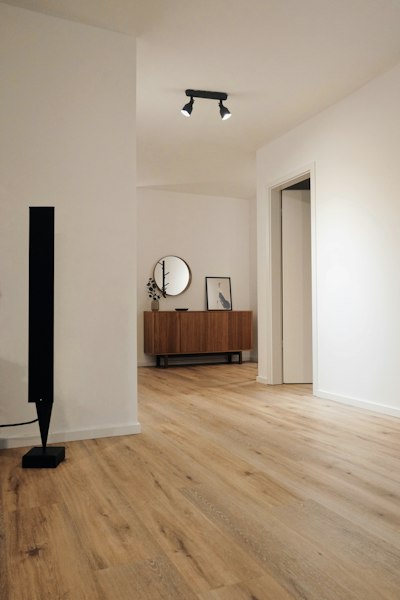
Flooring takes the most punishment in a pet home, and it's the single highest-impact decision you'll make.
- Vitrified tiles: Scratch-resistant, non-porous, and easy to mop clean — the most practical choice for Indian pet owners, especially in high-traffic living and dining areas. Our flooring guide for Indian homes covers finish options that also reduce slip risk.
- SPC and vinyl flooring: Waterproof, warm underfoot, and forgiving of claws and the occasional accident — a strong middle-ground option for bedrooms where tile can feel cold.
- Avoid unsealed solid wood: Beautiful but a poor match for active pets; claws leave permanent marks and any spilled water can warp the boards over time.
- Rugs, used sparingly: Low-pile, machine-washable rugs work in seating areas, but avoid wall-to-wall carpet, which traps fur and odour and is nearly impossible to fully clean.
The floor is where 80% of pet-related wear happens. Get that one decision right and everything else — furniture, rugs, even paint — becomes far easier to protect.
Furniture & Upholstery That Survives Pets
Furniture doesn't need to be pet-proof, but it should be pet-resistant. Tightly woven fabrics like microfiber, canvas, and performance velvet shrug off claws far better than loose-weave linen, which snags and unravels within weeks. Leather and good-quality leatherette resist scratches well too, though puppies teething on a sofa arm are a separate problem no fabric solves.
Practical Choices for Sofas and Chairs
Choose darker, patterned upholstery over pale solids — it hides fur and the occasional muddy paw print far better. Removable, washable cushion covers are worth the small extra cost, and slightly raised furniture legs make it easier to sweep out fur that collects underneath.
Rethinking Low, Open Shelving
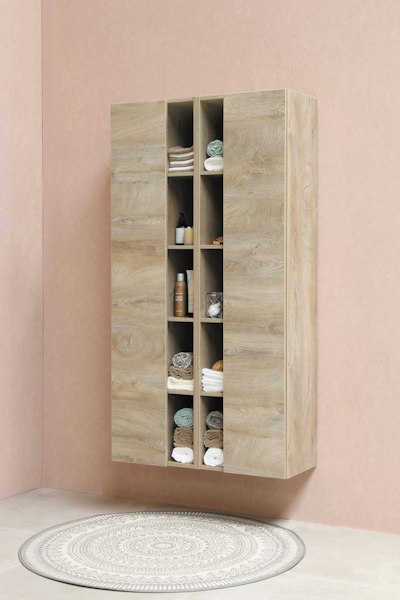
Cats especially treat open shelving as climbing frames. If you're planning built-in storage, keep breakables higher up and use closed cabinets at pet height — a detail worth flagging early if you're working through our smart storage solutions guide for a small apartment.
Layout & Safety Planning for Pet Owners
Good pet-friendly home interior design also means thinking about where a pet actually spends their day, not just what materials survive them.
- Feeding station: Set up in the kitchen or utility area on a washable mat, away from the main walking path so bowls don't get kicked over.
- Sleeping corner: A quiet spot in the living room or bedroom, away from AC vents and direct sun, gives a pet somewhere to retreat that isn't the middle of the family's traffic flow.
- Litter box placement (for cats): Choose a low-traffic, ventilated corner — a utility balcony or a section of the bathroom works well, kept well away from the kitchen and pooja room.
- Cable and edge safety: Route or conceal loose wiring and add corner guards on sharp table edges, especially with a puppy or kitten in the house.
If your home has a balcony, it deserves particular attention — a curious cat or a small dog can slip through standard railing gaps. Our balcony design ideas guide covers railing and netting options that also double as pet safety measures.
Dog Friendly Home Design Delhi NCR: Climate Considerations
Delhi NCR's extremes add a layer most global pet-design advice ignores. Summer heat means avoiding all-glass balcony doors that turn a sunlit corner into an oven by afternoon, and keeping a pet's resting spot away from west-facing windows. Winters bring the opposite problem — a cold marble or vitrified floor is uncomfortable for short-haired breeds, so a washable mat or low platform bed in the sleeping corner helps. Air quality matters too: an air purifier in the pet's main living area benefits both the animal and the household, alongside good ventilation.
Renting With Pets: What to Do Without Renovating
Most pet owners in Delhi NCR are renting, which rules out structural changes. The good news is most pet-proofing here is reversible:
- Interlocking rubber or vinyl floor tiles laid over existing flooring in high-traffic zones.
- Washable slipcovers instead of reupholstering furniture.
- Freestanding scratching posts and chew stations rather than built-in fixtures.
- Command-strip corner guards and cable covers that come off cleanly at move-out.
Getting Started With Pet-Friendly Design
You don't need to redesign an entire home at once. Start with the two things that see the most wear — flooring in the main living area and the upholstery your pet has the most access to — and build outward from there as you understand your specific animal's habits. A cat that never leaves the windowsill and a dog that treats the whole flat as a running track need very different plans, even within the same square footage.
Done well, pet friendly home interior design in Indian homes doesn't look any different from a well-designed pet-free home — it just holds up better, stays cleaner with less effort, and gives your pet a space that's genuinely comfortable rather than an afterthought squeezed in around the furniture.
Frequently asked questions.
What is the best pet-friendly flooring for Indian homes?
Vitrified tiles and SPC (stone plastic composite) flooring are the most practical pet-friendly flooring options for Indian homes — both resist scratches, are easy to clean, and don't warp with spilled water. Solid wood and unsealed laminate scratch and stain quickly under paws and claws.
How do I pet-proof a rented apartment in India?
Use removable solutions: interlocking rubber or vinyl floor tiles over existing flooring, washable slipcovers on furniture, corner guards on sharp edges, and freestanding scratching posts or chew stations instead of built-in fixtures. Everything can come out with you at the end of the lease.
Which fabrics are safe for pet owners' sofas and furniture?
Tightly woven fabrics like microfiber, canvas, and performance velvet resist claws and are easy to wipe clean, unlike loose-weave linen or silk which snag and fray. Leather and leatherette are also durable against scratches but can show bite marks from puppies.
Where should I place a pet's feeding and sleeping area in a small Indian apartment?
Keep feeding stations in the kitchen or utility area on a washable mat, away from main walkways, and place the pet's bed in a quiet corner of the living room or bedroom that still gets some natural light. Avoid pooja rooms and direct paths to the main entrance for safety and hygiene.
Thinking about your own space?
Our designers can walk you through exactly what this looks like for your home — let's talk.
Book a Free Consultation